Personal Finance Lesson Plans for Middle School: A Guide
Searching for engaging and impactful educational resources online can be a challenging process. You likely know this to be especially the case if you’re searching for high-quality personal finance lesson plans for middle school. Don’t worry, because your search is over – you’ve found exactly what you need here at the NFEC. Here, our dedicated team has carefully built a complete guide that’s designed to enable anybody to leverage high-quality educational material for this very reason.
The NFEC provides personal finance lesson plans for middle school students across the globe, leveraging material that can be customized for any group of people – no matter which age group they’re in or where they fit socioeconomically.
The helpful materials that we’ve put together are engaging and comprehensive, while also offering a much-needed level of fun to the educational experience.
Real-World Personal Finance Lesson Plans for Middle School
Felix works as an 8th grade guidance counselor, and is getting his students ready to transition into high school. He read a recent study that showed personal finance education is the most helpful the earlier that students learn, so he wanted to provide the 52 students he worked with some sort of personal finance lesson plans for middle school that would benefit them. He was knowledgeable on the topic already, but wasn’t exactly sure how to proceed with this goal. For that very reason, he knew it would be best to find some third-party help to teach this young group.
After finishing a fast, multiple-choice questionnaire that he gave the students following their weekly meetings, he quickly realized that teaching financial literacy lessons to middle school students required a focus to start at the bare basics.

Stage One
Felix’s initial goal was to enable them to quickly obtain a useful level of money management knowledge via some handouts. He just wanted to start with the basics, but – over the course of the rest of the year – he was hopeful that they would gain some working proficiency on the topic.
Designing Personal Finance Lesson Plans for Middle School
So far, Felix already knew what he wanted to accomplish right away with his financial literacy curriculum middle school offering, as well as what his goals were for the long term. What came next was much-needed planning: he needed to decide on the course format and also figure out the ideal pace. This needed to be something they could do on their own time, so internet-based personal finance lesson plans for middle school would be the best decision.

Planning an Educational Blueprint
Felix soon came to the realization that his concept for these personal finance lesson plans for middle school should know was too broad still, especially since the current focus was to just get the ball rolling. He really had to narrow down the core focus of the course, so he organized the initial financial literacy lesson plans middle school offering to be centered on savings accounts and paying for college.
Working out the Timing
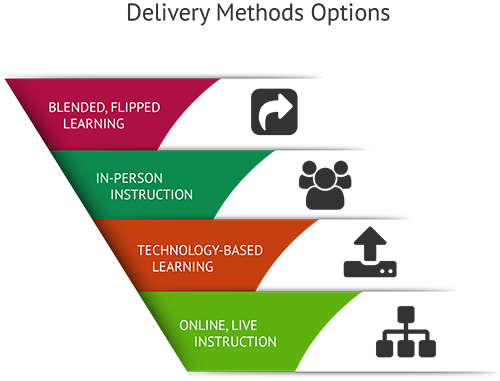
What about the timing of this financial literacy curriculum middle school solution? These students all had a lot of coursework and homework to deal with already, so Felix wanted to make sure what he provided them with was breezy and easy-to-digest – and could be done on their own schedules. That’s why he opted for flexible, modular online personal finance lesson plans for middle school that could be done in segments.

Getting Help: Financial Literacy Lesson Plans Middle School
What he really needed was some help – someone who was an expert at delivering personal finance lesson plans for middle school students in an entertaining, effective manner. Fortunately, he successfully got in touch with a NFEC Certified Educator who had the right skills to incorporate some fun into the financial literacy lessons for high school. Thanks to some additional help from an experienced professional in the field, he was much more confident.
Understanding the Results
Of the 52 participants who took part in the course he set up, 49 of them (94%) managed to finish the personal finance lesson plans for middle school in its entirety. After the program was over, the participants who made it to the end completed a survey, with 100% of them admitting that their financial habits knowledge improved “significantly” due to participating in the initial financial literacy lesson plans middle school design.
Financial Literacy Curriculum Middle School: The Follow-Up
Felix realized that all the progress the participants had made up to that moment would be put at risk if they didn’t get some ongoing support to apply what they learned in their own lives. As the financial literacy curriculum middle school course ended, he decided it would be wise to draft personalized, supportive messages that he could give to each of the students who took part in the course – congratulating them and motivating them to continue working on their financial habits.
To keep helping them even more, Felix opted to offer ongoing courses that would be similar in format to the first of his financial literacy lesson plans middle school solutions. Doing so would enable them to continue growing the foundation of vital knowledge they’d already constructed.