
Finding Top Financial Literacy Lessons for High School Students
Searching for engaging and impactful educational resources online can be a challenging process. You likely know this to be especially the case if you’re searching for high-quality financial literacy lessons for high school students. You can halt that stressful search right now, because the NFEC has the perfect solution for you. Our passionate team has skillfully built a top-to-bottom, go-to guide that’s modeled to help anybody take advantage of useful learning resources related to this topic.
Thanks to several years in collective experience in this field, the NFEC now offers financial literacy lessons for high school students to people and companies across the world. Our solution allows our customers take advantage of powerful educational resources that are customizable to any audience, and that includes people of every age and socioeconomic standing.
The materials that we’ve mapped out are rigorous as well as engaging, while also providing a necessary level of fun to the learning experience.
1. Success with Financial Literacy Lessons for High School Students
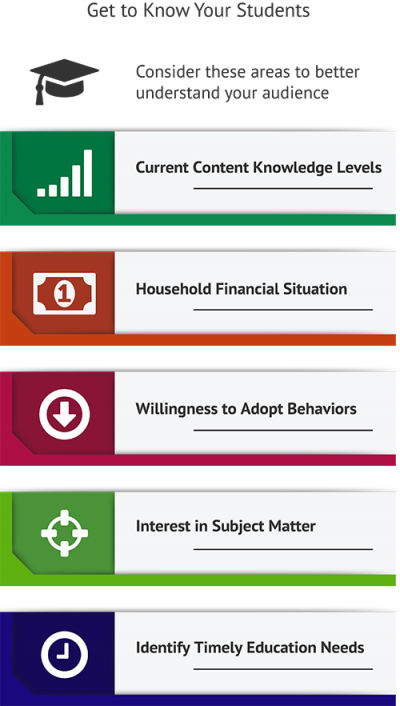
Kirk has been an economics teacher at Kennedy High School for 8 years, and he currently has 31 seniors divided into two classes near the end of the day. All of them are getting ready for graduation. He felt a great responsibility to prepare these students as much as he possibly could in regards to readying them for post-graduation money management, so he decided to design financial literacy lessons for high school students that would be especially useful to them. He was simply a macroeconomics teacher, though, so he wasn’t sure how to proceed with a personal finance education program – which is what led him to seek out some qualified help.
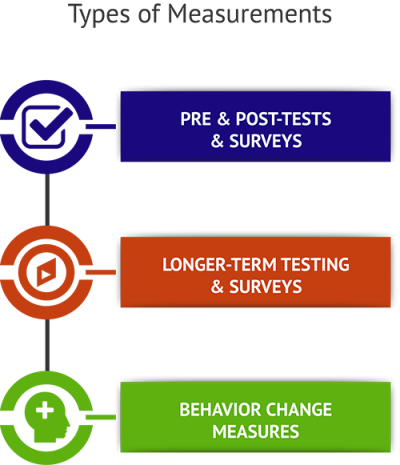
He handed out a paper survey to the students that had some simple financial questions one day, realizing that this group had almost zero knowledge when it came to personal finance. In that moment, he understood that he would need to source some easy-to-learn material that’s designed specifically for beginners.
2. The Larger Picture
Kirk was certain about at least one matter: these students were very inexperienced with the topic at hand. The first idea he had for this endeavor was to do the knowledge building himself, and teach them concepts of money management directly somehow. He was hoping that these students would rise to a considerable level of proficiency by the end of the year. At that early moment, he knew that maintaining a focus on basic principles would be the smartest move for the initial financial literacy lessons for high school.

3. Mapping Financial Literacy Lessons for High School Students
So far, Kirk had both his short-term and long-term goals in mind. The following decision would need to be practical: what should the pace and format be for this program? Ideally, he would get a course that’s divided into portions that are easy to individually absorb. This understanding drove him to opt for financial literacy lessons for high school students that are self-paced. Learn more about NFEC financial literacy lesson plans.

4. Narrowing the Target
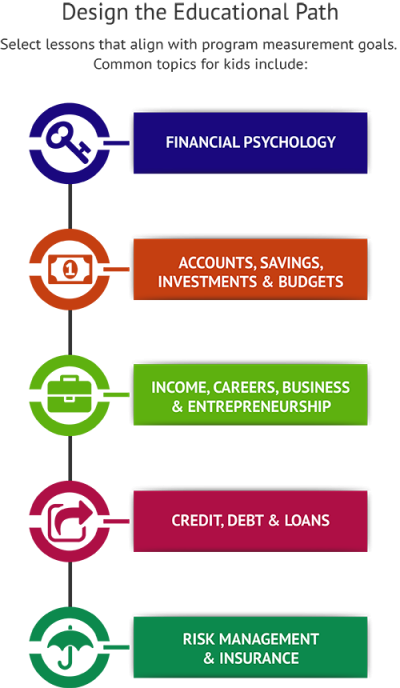
Kirk quickly understood why we need to teach financial literacy in schools and that his concept for the financial literacy lessons for high school was still a bit too broad in its focus, especially since he just wanted to get the ball rolling for these students. He really needed to make the core focus of the program narrower, so he designed the first segment as a student loan-centered course.
5. Timing Money Management Lessons for High School Students
6. Education That’s Entertaining
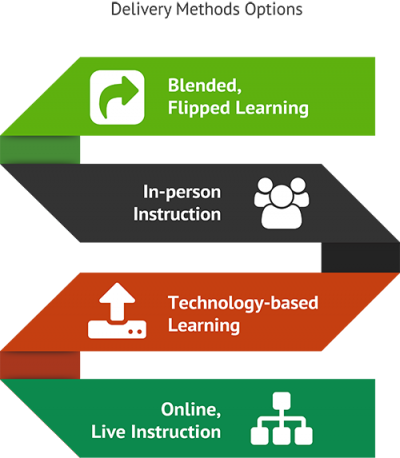
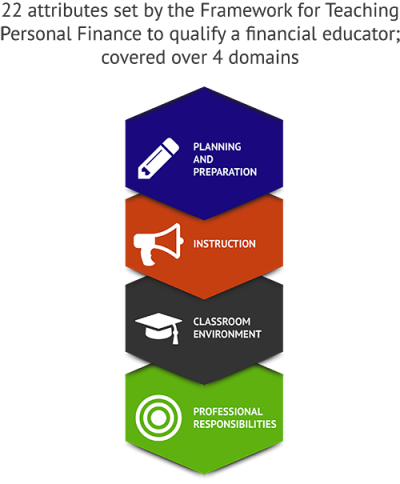
Kirk certainly had enough skills and confidence to educate this group directly, but – if he was really going to achieve her goals – this path wouldn’t be the best. What he needed at that point was some assistance – a little help from someone who could build a financial literacy lessons for high school students offering that was still fun and engaging. Fortunately, he successfully got in touch with an educator who led financial literacy for high school students in an neighboring county. They were a Certified Financial Education Instructor who had the right skills to incorporate some experience into the financial literacy lessons for high school.
7. Outcomes: Financial Literacy Lessons for High School
8. A Dedicated Follow-Up
Kirk already realized that the advances the group made on this topic would be at risk of deteriorating if they didn’t get some ongoing support. With the financial literacy lessons for high school students over, he felt it would be smart to draft some individual, tailored letters via email to the participants of the program – congratulating everyone and attempting to inspire them to keep building their financial knowledge.
Nonetheless, his goal was to enable them to continue adding to this foundation of new finance knowledge. To provide them with ongoing help, Kirk went on to give them ongoing course opportunities that would be closely related to the first money management lessons for high school students.