

How to Make Teaching Students Financial Literacy Successful
Want to learn more about teaching students financial literacy? Read the information and case study below to obtain guidance on how the process works, and how to ensure program success.
Eight Top Factors in Teaching Students Financial Literacy

1. Key Suggestions for How to Teach Financial Literacy to Student Bodies
In the case study that follows, you will discover all the phases in a process that helps people realize their passion for teaching students financial literacy.
Middle school teacher Sherry Cox had a vision about teaching students financial literacy in her school, but wasn’t sure what the first steps would be to get the process started. She had a decade of teaching experience at the sixth-grade level, but had little background in the content knowledge and pedagogy specific to personal finance. She settled on an initial goal of bringing some money management lessons to all the sixth graders in her home room – about 35 students total. She brought up the idea at the next teacher meeting, and discovered there was a high interest among several other teachers as well. Putting their heads together, they agreed the kids would benefit from learning some basic information about money management, like savings and spending habits.
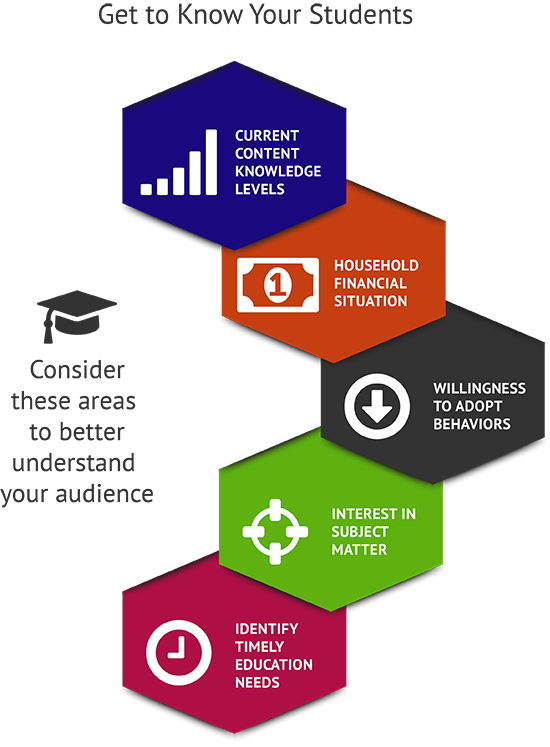
2. Who are your Learners, and what Challenges do they Face?
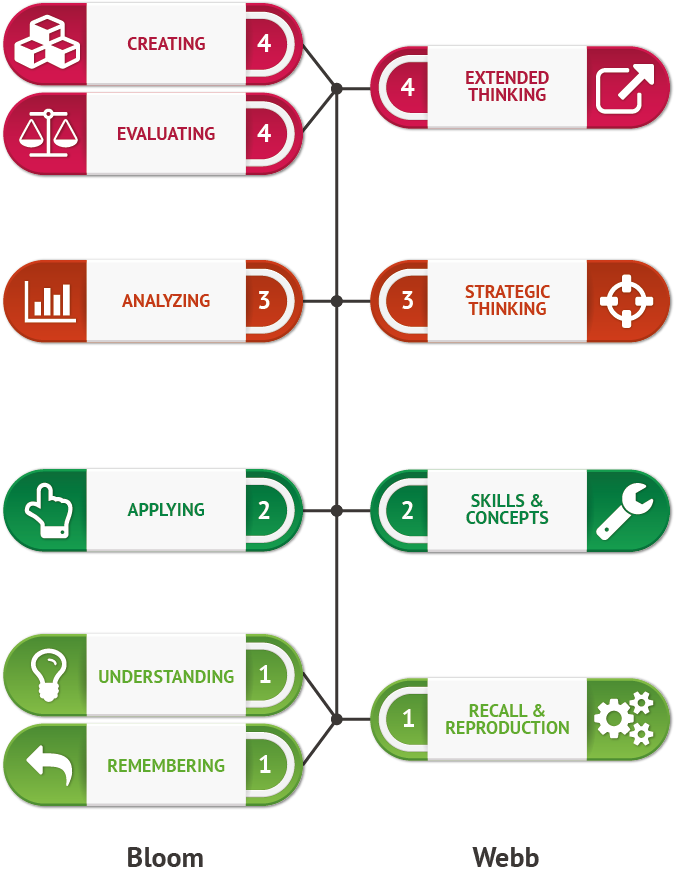
Sherry’s original objective was to introduce the sixth-graders to financial education. To determine the best approach to teach financial literacy to student groups like her class, she considered the time available, which was just a little – a 40-minute class period. Therefore, Ms. Cox settled for providing an overview of savings and spending basics for the first class, but her longer-term goal was to expand the program to offer one class per month across the entire school year. For the first lessons, Sherry would try to get the students to the “Understand” level of Bloom’s Taxonomy – demonstrated understanding of the content and ability to compare and interpret its main components.
3. Next Component of Teaching Students Financial Literacy is Opting for Delivery and Pacing Modes
After Dr. Sumner had clarified her short-term and longer-term objectives, she shifted focus toward choosing delivery methods for teaching financial literacy to college students.
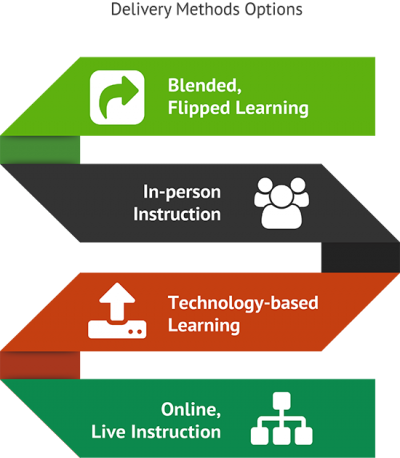
Sherry had identified her near- and longer-term goals. Now she needed to select delivery and pacing methods for teaching students financial literacy. Given the limited initial time frame and venue, she decided to deliver the instruction in-person, but also send a couple of self-paced activities home and a financial literacy quiz for students to complete with their parents. That would get the parents involved and engaged in her effort to teach financial literacy to students.

4. Teach Financial Literacy to Student Groups by Focusing Topics Appropriately
Financial psychology – for example, determining the difference between needs and wants – was the topic Sherry chose to address in the initial class period starting with a providing financial literacy handouts that outlined the full course. After that, she would move on to introduce kids to the concepts of why people save and the power of compounding interest. That would help her obtain the learning outcome of teaching kids about savings and spending habits.
5. What about the Educator? You Need Someone with Teaching Skills, Content Expertise
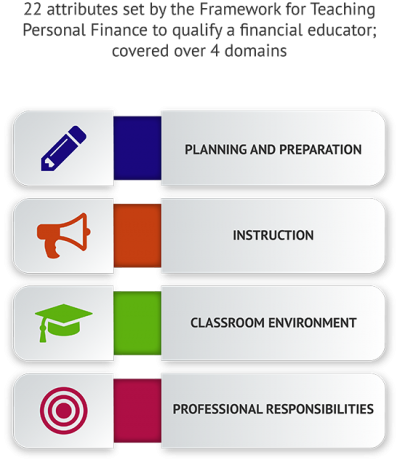
At the next phase, Sherry needed to find an educator who was well-qualified at teaching students financial literacy. While she had the teaching experience, she needed someone with content knowledge about money. At the next teachers’ meeting, she asked around and found out that one of her colleagues, Mrs. Betts, was a recent graduate from the NFEC’s CFEI program. They concluded that the two of them would present the class together.
6. Curriculum Selection for Successfully Teaching Students Financial Literacy
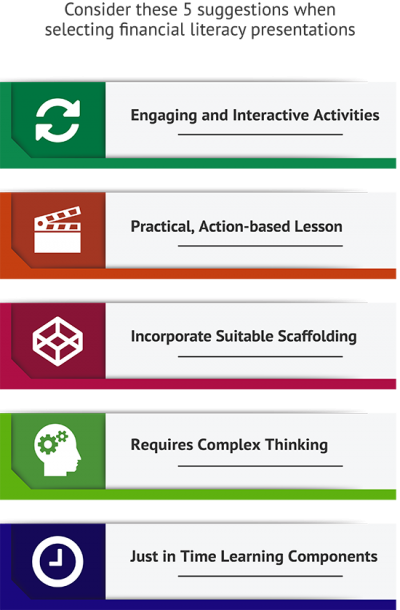
Sherry needed a curriculum package that could accommodate her time limitations and was aligned with educational standards for teaching students financial literacy. She met those needs by selecting curriculum that incorporated suitable scaffolding for sixth graders and was designed according to evidence-based learning principles.
7. Report Essential Outcome Data and Measures to Gain Future Support
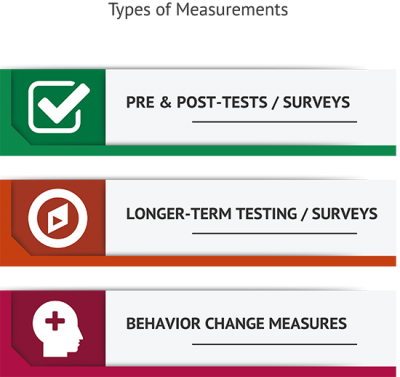
A total of 32 students attended Ms. Cox’s homeroom personal finance class. According to results of a short pre- and post-quiz, the students improved by an average of 25% on topics related to financial psychology and savings. Sherry assembled the data into a brief report to present at the next teachers’ meeting, with the hope of generating support for future classes.
8. Just Getting Started: Now it’s Time to Create an Ongoing Education Plan
Sherry’s first effort to teach financial literacy to student groups proved a success, but she knew the program was only getting started. The students would need reminders and support to retain what they’d learned. She created a short newsletter about the financial literacy effort, and sent it home to parents to show them how the class had made a difference. Then she collaborated with the other sixth-grade teachers on a series of take-home activities for kids to complete with their parents, to keep the families actively engaged in teaching the kids more about money.
Age Specialization Articles & Information
Teaching Kids Financial Literacy – Top Tips
Teaching Financial literacy to High School Students
Teaching Financial Literacy to College Students