
How to Create a Successful Personal Finance Course for High School Students
Are you one of the concerned philanthropists who wants to develop a personal finance course for high school students? We would like to help you reach your financial literacy programs for youth goals. Read on to discover information regarding the best subject matter to compile into your coursework, and the key challenges today’s students are facing.
Major Foci for a Personal Finance High School Course
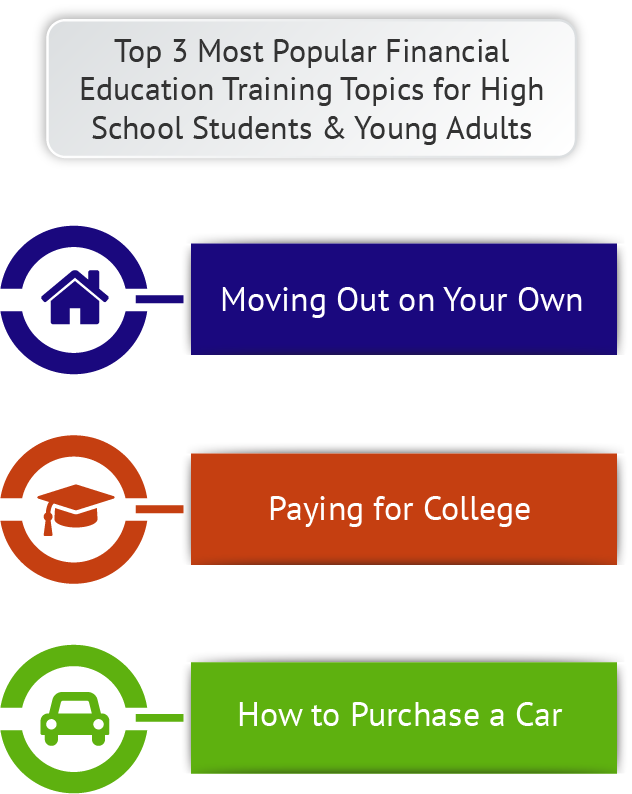
Certain topics are indicated as best to attract high schoolers’ interest and maintain their attention. Before high school students graduate and move out on their own, it’s vital to prepare them for the certainties of the financial “real world.”
An overall course in how to become financially self-sufficient can be quite useful to high school students. This theme comprises long-term goal development, working up a budget, auto buying, insurance coverage, and responsible use of credit accounts. Junior- and senior-level students find this class particularly interesting.
Matriculating students also may be considering post-secondary education. Those who plan on attending college, university, or trade school after graduation may be excited to learn different ways for funding their career paths. Thus a personal finance class for high school students might discuss loans, scholarships, grants, part-time work, or other creative funding streams for covering college expenses.
Many teens will be deciding whether – and how – to buy a vehicle. Comprehensive training in car-buying, budgeting, applying for credit, setting financial goals, vehicular insurance, and underlying expenses like gas and maintenance are topics that get high school students enthusiastic about learning.
Personal Finance Course Description High School Level
The following represents a personal finance course description high school students will find can help them meet the challenges of independence and self-sufficiency:
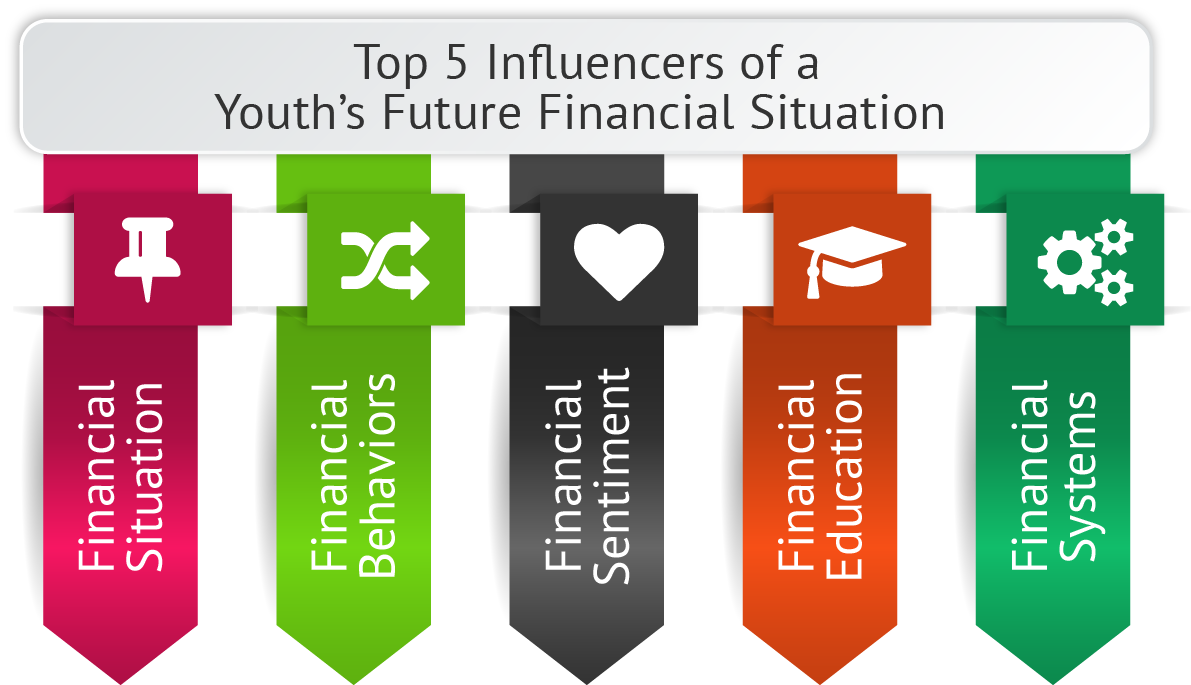
This personal finance course begins by covering how to deal with your financial situation, which refers to all the financial influences you have encountered since you were born. Your parents may have taught you money management lessons. Even if they didn’t, you were exposed to their financial struggles and/or successes, and that made an impact on how you use money today. Other things that molded your financial behaviors may have included marketing, ads, and social media; your friends; and the environment where you live. This course will define ways in which you can counteract any negative influences on your money behaviors. For example, in a study conducted at Clemson, researchers found that a game-based approach to financial education could be useful.
The next part of this coursework guides you to identify your financial sentiment – that is, the attitudes and beliefs that drive your relationship with money. How you feel about money and how you react when you have to make financial decisions are determined by this financial sentiment, which is malleable and subject to change. If you can form a positive relationship with money, you will build greater self-efficacy in the personal finance arena.
The final portion of the course leads you through the process of setting up organizational systems for managing your money. You will be introduced to the appropriate account structure to classify your financial systems, including checking, savings, and retirement planning. These solid financial literacy lessons for high school students meet top pedagogical standards.