
How to Teach Personal Finance to High School Students with Demonstrated Success
Are you a person or organization interested in learning how to teach personal finance to high school students? Then you should find this site to be a valuable resource. Here we lay out a step-by-step guidebook describing the optimal process for teaching personal finance to high school students, with all the information and materials you need.
The Leading Methods for Teaching High School Students Personal Finance
1. The Principal Guidelines for How to Teach Personal Finance to High School Students
There is a method for teaching personal finance to high school students that has been proven highly effective. In the story that follows, we outline how this method brought success to another interested person:
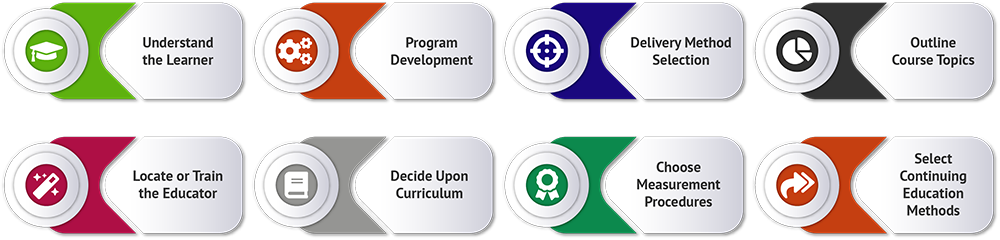
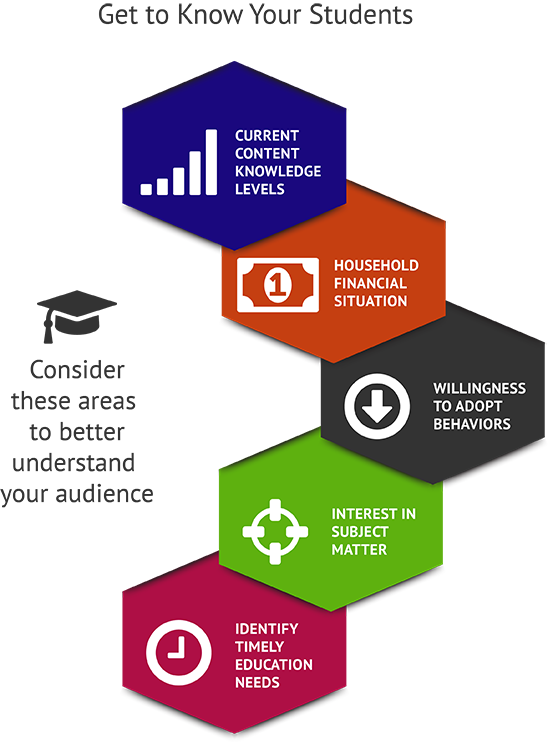
Erica Hunter, an Economics teacher at Rivertown High School, wanted to know how to teach personal finance to high school students. The school district had recently mandated that students receive at least one quarter of financial education in each of grades 9-12, but had not specified what the program should be. Erica was intimately familiar with the high school audience, and she was an excellent teacher. But she needed a few crucial pieces to determine which materials to choose and how to focus the program. So Erica designed a questionnaire to gather this information from her junior and senior students. The results revealed that the students wanted more knowledge about the financial decisions they’d have to make when they moved out on their own.
2. How to Determine your Objectives? Ask them What they Need
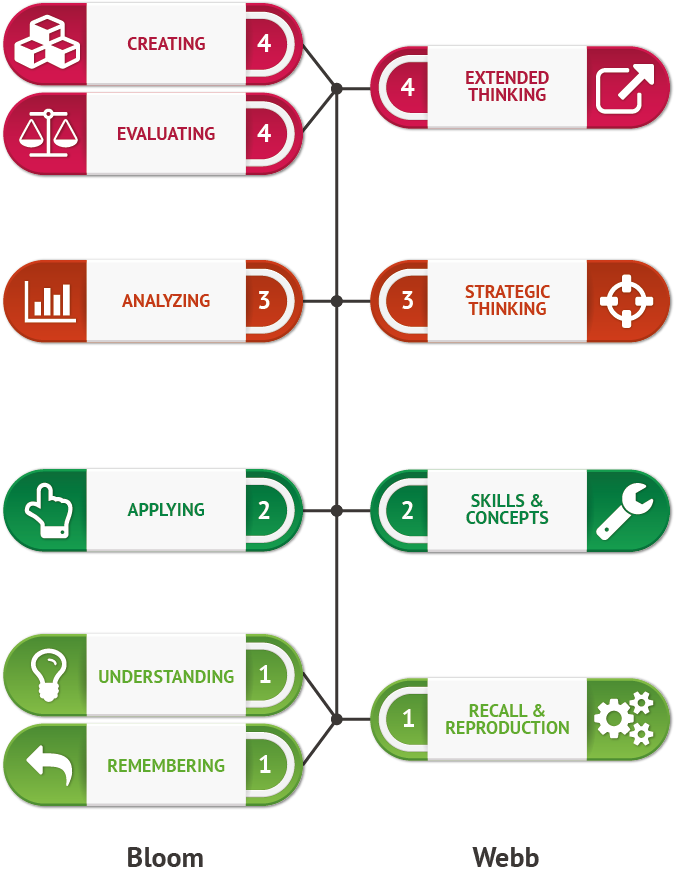
Now that Erica knew the teens wanted more information on how to move out on their own, her plan began to take shape. At the next teachers’ meeting, she got permission from the principal to take responsibility for teaching high school students personal finance through her Economics courses. The Economics curriculum seemed like a natural place to begin teaching finance in high school and where financial education could be easily integrated. Since Mrs. Hunter had a full quarter of instruction to deliver, she would have ample time to cover personal finance topics in-depth. She determined that the students could reach Level 4 as defined by Webb’s Depth of Knowledge Theory – Extended Thinking – where they could address questions requiring complex reasoning and analysis.
3. Clear Vision for Teaching High School Students Personal Finance Includes Choices for Pace and Delivery
Erica’s vision for teaching personal finance to high school students was becoming clearer. Now she had to settle upon a delivery method for the curriculum. Because she was charged with delivering one high school quarter of financial instruction, and the students had a need for information about moving out on their own, she decided on a blended instructional model with a combination of face-to-face lessons and online study. Erica vision for her high school personal financial initiative would evaluate students’ progress across both classroom participation and self-paced activities.


4. Checklist #3: Which Real-world Subjects to Cover?
Next on the list for how to teach personal finance to high school students, Erica had to discover which personal finance topics for high school students should cover. She had determined that the students wanted to know how to move out on their own. That meant they would need real-world lessons on budgeting, savings, career planning, insurance, and economic/government influences – a full range of financial literacy topics.
5. Determining the Best Instructor for Teaching Personal Finance to High School Students
Who would undertake the instructional responsibility for teaching high school students personal finance? In Erica’s case, she had the teaching and economic know-how, but lacked credentials in personal finance education. Her solution was to improve her content knowledge by taking the CFEI coursework through the NFEC. That way, she would gain the personal finance certification that would give her credibility and greater ability to reach the students with practical knowledge that had real-world applicability. Erica also planned to bring in guest speakers from time to time to add variety and interest for the students.


6. Next, Confront the Task of Selecting Resources and Materials
Erica now faced the challenge of choosing a personal finance curriculum package for high school students. She was looking for resources that had practical, real-world activities; aligned with Common Core education standards and benchmarks for teaching personal finance to high school students. The solution? Erica found a curriculum designed according to evidence-based learning principles, with practical, action-based, and interactive lessons.
7. Measurement and Reporting Forms Key Component of How to Teach Personal Finance to High School Students
Erica had a total of 58 students in her Economics courses. All 58 participated in the financial instruction at some level during the first quarter after Mrs. Hunter had begun teaching high school students personal finance. Erica used a pre- and post-test format to determine how well they improved their knowledge through taking the course. The students demonstrated 35% increase in personal finance knowledge by the end of the quarter. Erica presented a report summarizing these results at the next school board meeting, to demonstrate compliance with the district mandate.

8. Initial Achievement Signals Opportunity to Build Success Over Time
Erica’s first quarter of teaching personal finance showed her a great deal about how to teach personal finance to high school students. She knew the initial success was just the initiation of much more to come. Erica created certificates of completion to award to each student after finishing the instruction. To keep their financial skills fine-tuned and operational, she arranged a series of extra-credit activities the students could complete online. The activities were formulated to build on what the students had learned about living on their own, with a goal of supporting and reinforcing their ongoing education as they matured into adults.