

Financial Psychology: The Missing Link Between Financial Knowledge and Financial Health
by Alimursal Ibrahimov, Founder, LearnTheMoney
When people think about improving their finances, they often focus on practical topics such as budgeting, saving, investing, and debt reduction. While these skills are important, they represent only part of the equation. Financial success is not determined solely by what people know about money; it is also influenced by how they think, feel, and behave around money. That is the domain of financial psychology.
Financial psychology examines the emotional, cognitive, and behavioral factors that influence financial decision-making. It recognizes that money is not merely a mathematical issue. Instead, financial choices are often shaped by habits, beliefs, experiences, fears, aspirations, and social influences. As a result, two individuals with similar incomes and financial knowledge may experience dramatically different financial outcomes based on their psychological relationship with money.
Why Financial Psychology Matters
Traditional financial education focuses on teaching concepts such as budgeting, credit management, investing, and retirement planning. These topics are essential, but knowledge alone does not always lead to positive financial behavior.
Many people understand that they should save more, spend less, or avoid high-interest debt. Yet they continue making decisions that work against their long-term goals. This disconnect often stems from psychological factors, rather than a lack of knowledge or information.
Fear can cause investors to sell assets during market downturns. Social pressure may encourage individuals to overspend in an effort to maintain a certain lifestyle. Stress and anxiety can lead to impulse purchases that provide temporary emotional relief but create long-term financial challenges. Research and financial therapy professionals increasingly recognize that emotional and financial well-being are closely interconnected.
Financial education initiatives such as those promoted by LearnTheMoney emphasize that developing healthy financial habits requires more than understanding financial concepts. Individuals must also learn how to manage the emotions and behaviors that influence their financial decisions.
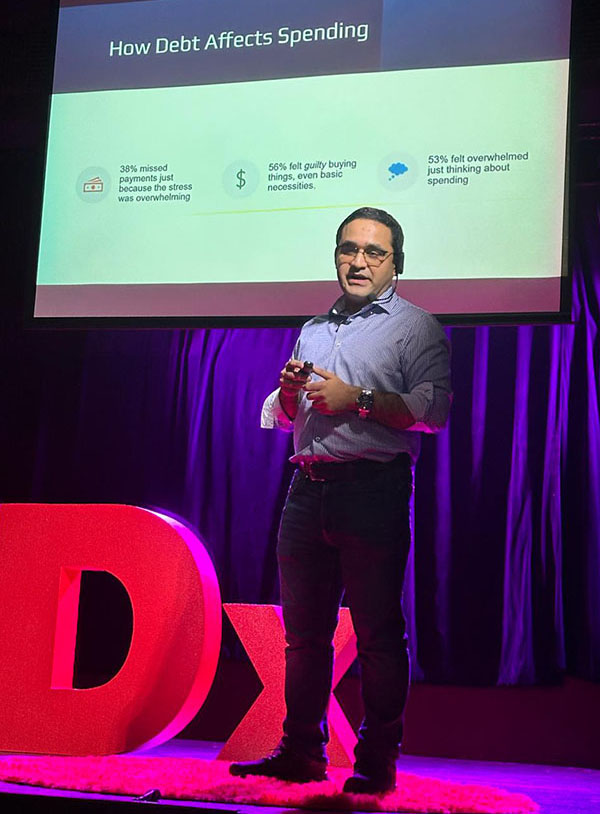
The Origins of Money Beliefs
Many financial behaviors can be traced back to experiences formed during childhood and adolescence. Financial habits form early in life, and families often pass down both positive and negative beliefs about money. Some children grow up hearing that money is scarce and should be guarded carefully. Others may learn that spending is a reward for hard work or that financial success determines personal worth.
These early experiences often become what psychologists call “money scripts” – deeply-held beliefs that influence financial behavior throughout adulthood. People may not even realize these beliefs exist, yet they can shape decisions about spending, saving, borrowing, and investing for decades.
Understanding these underlying beliefs is often the first step toward creating healthier financial habits. Once individuals recognize the emotional drivers behind their decisions, they can begin replacing unhelpful patterns with more constructive behaviors.
Emotional Triggers and Financial Decisions
Financial psychology also highlights the role of emotional triggers in people’s financial lives. Many decisions occur in response to emotions rather than careful analysis.
For example:
Community discussions about personal finance frequently reveal that spending problems are often rooted in emotional needs rather than mathematical misunderstandings. People commonly report spending when they feel stressed, lonely, bored, or in need of a reward. Recognizing these triggers allows individuals to pause, reflect, and make decisions more intentionally.
Financial Psychology and Second Chances
One of the most compelling examples of financial psychology in action can be found in correctional education programs. In Nueces County, Texas, financial analyst and doctoral candidate Alimursal Ibrahimov developed the Second Chance Money Skills program for incarcerated women. The initiative teaches practical financial concepts such as budgeting, banking, credit management, and financial planning for life after release.
The program recognizes an important reality: financial challenges are often connected to broader life circumstances, including stress, instability, and poor decision-making. Participants are not only learning financial facts; they are developing the confidence, mindset, and decision-making skills necessary to build a more stable future. Local officials have emphasized that financial education can help reduce financial stress and support successful reentry into society by giving participants tools to make informed choices.
This approach reflects a core principle of financial psychology: lasting financial improvement requires both knowledge and behavior change.
Building Better Financial Habits
Improving financial health often begins with greater self-awareness. Individuals can strengthen their financial psychology by:
Even small changes in behavior can produce significant long-term results. Consistently saving modest amounts, reviewing financial statements regularly, and pausing before making major purchases can strengthen financial confidence and reduce costly mistakes.
The Future of Financial Wellness
As financial educators, employers, schools, and policymakers continue to focus on improving financial literacy, there is growing recognition that financial wellness must address both knowledge and behavior. Financial education programs are increasingly incorporating behavioral science, habit formation, and mindset development alongside traditional personal finance topics.
Ultimately, financial health is not determined by income alone. It is shaped by the decisions people make every day – and those decisions are influenced by psychology as much as math.
By understanding the emotions, beliefs, and behaviors that drive financial choices, individuals can develop healthier relationships with money, make more informed decisions, and build a stronger foundation for long-term financial well-being. Financial psychology builds a bridge between knowing what to do and actually doing it, making it one of the most important components of lifelong financial success.