
United for Financial Literacy Advocacy Committee Members Page:
Nurturing Economic Empowerment through Financial Education Across the United States
The mission of the United for Financial Literacy℠ Advocacy Initiatives is to promote higher financial literacy standards in schools, encourage parental involvement in their children’s financial education, and support communities with financial education programming.
Our Advocacy Committee Members form the backbone of United for Financial Literacy℠, driving our mission forward with their unwavering dedication and passion. These members are diverse professionals, educators, and community leaders who bring a wealth of experience and insight to our initiatives.
The NFEC provides financial education advocates the resources and guidance that help move financial literacy policy forward and advance financial education in communities across the country.
Video Orientation Summary
Purpose & Vision
Our shared mission is to empower individuals through financial education—one of the most unifying and impactful causes of our time. When people gain the skills to make informed financial decisions, they improve not only their own lives, but also their communities and the broader economy. Lets join together to help others build stronger, more secure futures.
Campaign Strategy
Over 18 months, we’ll run six focused campaigns—each targeting key areas like policy, legislation, and education reform. Quarterly, we rally around one issue to drive unified, high-impact action within a set timeframe.
Structure: 6 quarterly, time-based campaigns
Focus Areas:
Approach:

Participation Process (Each Campaign)
Each campaign begins with quick, targeted education—emails, videos, and talking points. Then we hold a Zoom meeting, share ready-to-use tools, and coordinate action during one high-impact launch week.




Next Steps
You’ll soon receive a short onboarding series to get you up to speed. Safelist our emails and follow us on LinkedIn and YouTube to stay connected. Your involvement is key to making real change happen.

Advocacy Resources
Below you will find links to training, resources, and tools to help you effectively promote financial literacy in your community.
Advocacy Training
Webinars, videos, and guides that train you on key advocacy initiatives and help get the message across.
Recorded – State Financial Literacy Standard & Mandate Review
Recorded – Financial Literacy Versus Core School Subject Requirements
Recorded – Financial Literacy Advocacy Initiatives
Recorded – Colleges’ Role in Hindering Long-Term Success for Graduates


Monthly Advocacy Promotions
Each month, the NFEC provides you with a variety of events and promotions in which you can participate.
Calendar of Monthly Promotions
*You will receive monthly emails to update you on the latest campaigns.

Policy Briefs & Whitepapers
Documents that summarize key financial literacy issues, legislative proposals, and policy recommendations.
Policy and Framework Guide for High School Financial Education
Financial Literacy Standards & Financial Educator Guidelines

Social Media Post
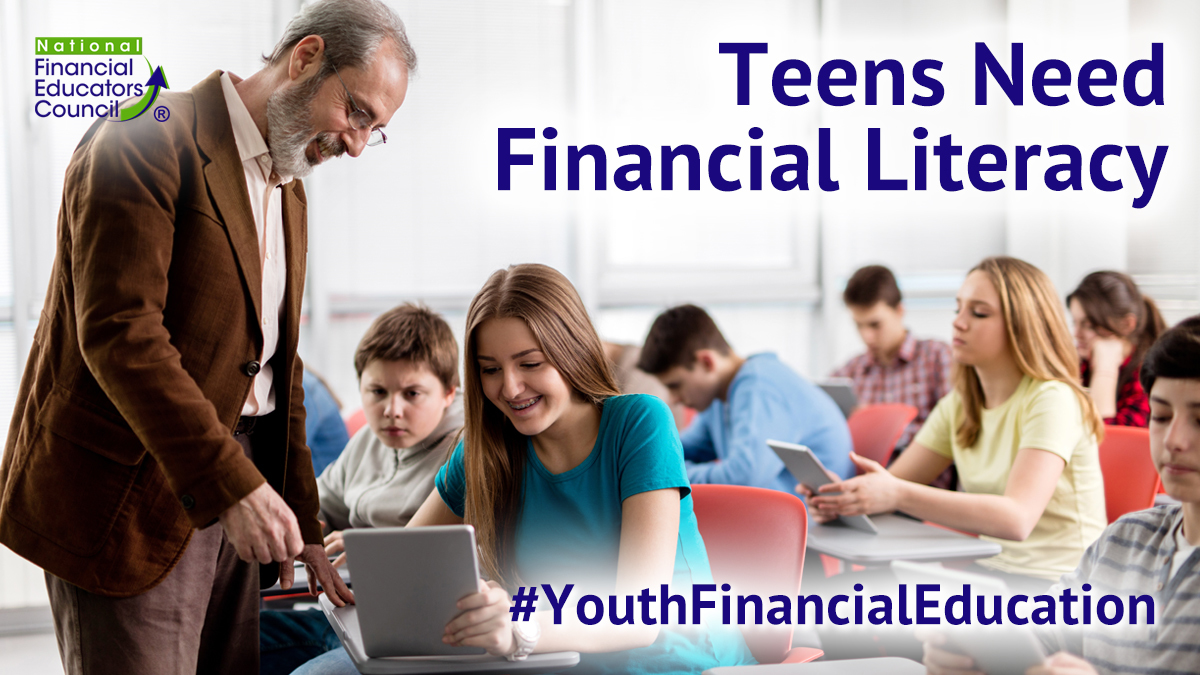
Visual posts to share across your social networks to highlight the need for financial literacy education. Help spread the message about the importance of financial literacy by sharing these impactful visuals on your social platforms. Let’s raise awareness and advocate for financial education in schools and communities!
View Social Sharing Images
Financial Education Empowerment Act
To prepare youth for the financial realities of life, high schools must dedicate more time and rigor to financial education. The Financial Empowerment Education Act proposes 8 semesters (4 years) of comprehensive coursework to equip students with the essential skills, behaviors, and knowledge to earn, manage, and save money effectively. It emphasizes creating a basic financial plan and foundational knowledge of investments and long-term planning, setting students up for lasting success.
Sign the Petition
Encourage policymakers to mandate and fund comprehensive personal finance courses in public schools.

Stakeholder Communications
Emails and letters for politicians, school administrators, parents, and youth ambassadors.

Adult Committee Members
Correspondence to Policymakers
Email to Policymakers
Dear [Politician’s Name],
I am contacting you to express my deep concern about the lack of comprehensive financial education in our state’s school curriculum, which is having a significant negative impact on our young people’s futures and on the prosperity of our state. This failure leaves our children graduating without the skills they need to thrive in today’s complex economic environment. Without these skills, young adults face risks of financial mismanagement, which in turn leads to long-term hardship and lower quality of life.
I urge you to address this issue by supporting legislation that mandates comprehensive financial literacy curriculum for our students across all four years of high school. The National Financial Educators Council, an IACET Accredited Provider, offers a solution – the “Policy and Standards Framework for High School Financial Education” – which ensures that financial education meets educational standards and prepares students for near-term financial life events.
I strongly urge you to support and advocate for legislation that prioritizes financial education by mandating its presentation in high schools across our state. Thank you for your attention to this important issue.
Sincerely,
[YOUR NAME]
Letter to Policymakers
Dear [Politician’s Name],
I hope this letter finds you well. I am writing to express my deep concern about the lack of comprehensive financial education in our state’s school curriculum and the significant impact this lack has on our citizens. As someone who cares deeply about the future prosperity of our state, I urge you to champion legislation that promotes comprehensive financial literacy education for our students.
The importance of financial literacy cannot be overstated. Financial education equips individuals with the knowledge and skills they need to manage personal finances effectively, make informed decisions, and avoid common financial pitfalls. Unfortunately, our state fails to provide comprehensive financial education that meets even minimum education standards and is not giving our children even the basic skills to prepare them for near-term financial life events.
The failure of our schools to deliver comprehensive financial education programming that starts in elementary school and increases in rigor through high school contributes to broader economic issues and limits their ability to thrive in a complex economic environment. Without these skills, young adults face more significant risks of financial mismanagement, which can lead to long-term economic hardships and reduced quality of life.
To address these issues, I urge you to support and advocate for legislation that mandates financial literacy education across all four years of high school and starts fundamental lessons in elementary school that align with educational standards.
I come to you also with support for a solution. The National Financial Educators Council, an IACET Accredited Provider of financial education, has created the “Policy and Standards Framework for High School Financial Education” to ensure that financial literacy programming is designed to meet educational standards and prepare students for near-term life events.
By prioritizing financial literacy education, we can empower our youth with the knowledge and skills they need to achieve financial independence and contribute positively to our economy. Financially literate individuals are better equipped to manage their money, plan for the future, and make informed financial decisions – which benefits not only them but also the broader community.
I urge you to consider these recommendations and take action to make financial education a mandatory part of our state’s school curriculum. Your leadership in this area can make a significant difference in the lives of our citizens and the overall economic health of our state.
Thank you for your attention to this critical issue. I look forward to seeing meaningful changes that will benefit our students and our community.
Sincerely,
[YOUR NAME]
Correspondence to Schools
Email to Schools
Dear [Administrator’s Name],
I am contacting you to express my deep concern about the lack of comprehensive financial education in our state’s school curriculum, which is having a significant negative impact on our young people’s futures and on the prosperity of our state. This failure leaves our children graduating without the skills they need to thrive in today’s complex economic environment. Without these skills, young adults face risks of financial mismanagement, which in turn leads to long-term hardship and lower quality of life.
I urge you to address this issue by working toward mandating comprehensive financial literacy curriculum for our students across all four years of high school. The National Financial Educators Council, an IACET Accredited Provider, offers a solution – the “Policy and Standards Framework for High School Financial Education” – which ensures that financial education meets educational standards and prepares students for near-term financial life events.
I strongly urge you to support and advocate for curriculum mandates that prioritize financial education in schools across our state. Thank you for your attention to this important issue.
Sincerely,
[YOUR NAME]
Letter to Schools
Dear [Administrator’s Name],
I hope this letter finds you well. I am writing to express my deep concern about the lack of comprehensive financial education in our state’s school curriculum and the significant impact this lack has on our citizens. As someone who cares deeply about our children’s education and future prosperity, I urge you to work toward mandating comprehensive financial literacy education for our students.
The importance of financial literacy cannot be overstated. Financial education equips individuals with the knowledge and skills they need to manage personal finances effectively, make informed decisions, and avoid common financial pitfalls. Unfortunately, our state fails to provide comprehensive financial education that meets even minimum education standards and is not giving our children even the basic skills to prepare them for near-term financial life events.
The failure of our schools to deliver comprehensive financial education programming that starts in elementary school and increases in rigor through high school contributes to broader economic issues and limits their ability to thrive in a complex economic environment. Without these skills, young adults face more significant risks of financial mismanagement, which can lead to long-term economic hardships and reduced quality of life.
To address these issues, I urge you to support and advocate for mandating financial literacy education across all four years of high school and starting fundamental lessons in elementary school that align with educational standards.
I come to you also with support for a solution. The National Financial Educators Council, an IACET Accredited Provider of financial education, has created the “Policy and Standards Framework for High School Financial Education” to ensure that financial literacy programming is designed to meet educational standards and prepare students for near-term life events.
By prioritizing financial literacy education, we can empower our youth with the knowledge and skills they need to achieve financial independence and contribute positively to our economy. Financially literate individuals are better equipped to manage their money, plan for the future, and make informed financial decisions – which benefits not only them but also the broader community.
I urge you to consider these recommendations and take action to make financial education a mandatory part of our state’s school curriculum. Your leadership in this area can make a significant difference in the lives of our citizens and the overall economic health of our state.
Thank you for your attention to this critical issue. I look forward to seeing meaningful changes that will benefit our students and our community.
Sincerely,
[YOUR NAME]
Correspondence to Parents
Email to Parents
Dear [Parent’s Name],
I am writing to share an important issue that has significant impact on our children’s futures – the lack of mandatory financial education in our state’s school curriculum. Our state does not require financial education with enough rigor to make a positive difference in our children’s lives as they mature. That means we, as parents, must equip our children with the essential financial skills they need to succeed.
Please help us promote financial education in schools. Here are a few ways you can take action:
- Sign the petition
- Contact your local legislator and ask him/her to support legislation mandating financial education in our schools.
- Contact your children’s principal and ask him/her to support school mandates for financial education.
- Contact your school district representative.
In addition, you can give your children a head start toward financial wellness by teaching them financial lessons at home. Here are links to free resources for kids and young adults.
Thank you for helping our young people become successful adults.
Sincerely,
[YOUR NAME]
Letter to Parents
Dear [Parent’s Name],
I am writing to share an important issue that has significant impact on our children’s future – the lack of mandatory financial education in our state’s school curriculum.
Our state does not require financial literacy education with the rigor required to make a long-term difference in our children’s lives as they mature into adulthood. It falls upon us, as parents, to equip our children with the essential financial skills they need to succeed in life.
Without a solid foundation in financial education, our children face greater risks of long-term financial insecurity, debt, money management, and the inability to save adequately for the future. This failure can devastate all areas of our kids’ lives in the future, including their self-worth, emotional state, relationships, and the ability to work toward their dreams.
Help us promote financial education in schools. Here are a few ways you can take action:
- Sign petition
- Contact your local legislature and ask him/her to support legislation mandating financial education in our schools.
- Contact your children’s principal and ask him/her to support school mandates for financial education.
- Contact your school district representative.
Given the length of time it takes to accomplish school subject reform, it is crucial that we as parents take an active role in our children’s financial education. Here are some steps you can take to teach your children about money management:
- Start Early: Begin teaching basic financial concepts, such as saving and budgeting, from a young age. Use everyday situations, like grocery shopping or saving for a toy, as teachable moments.
- Lead by Example: Demonstrate good financial habits in your own life. Children learn a lot by observing their parents, so show them how you manage your finances responsibly.
- Use Resources: Utilize available resources to teach financial literacy at home. https://www.financialeducatorscouncil.org/wp-content/uploads/Kids_Financial_Literacy_Standards_PK%E2%80%938th_Grade.pdf & https://www.financialeducatorscouncil.org/wp-content/uploads/DOC_PKG_EXC_-NFEC-Learner-Framework-Standards-for-High-School-College-Adults-_3.4.09.pdf
- Encourage Saving: Help your children open a savings account and encourage them to save a portion of their allowance or money they receive as gifts. Discuss the importance of saving for future goals.
- Help Them Develop a Strong Work Ethic: Chores can help youth develop a core skill set that employers seek and provides an opportunity to discuss money with them. https://www.financialeducatorscouncil.org/chores-for-kids/
- Discuss Financial Decisions: Involve your children in age-appropriate financial decisions. Explain why you make certain choices and the potential consequences of different financial actions.
- Promote Critical Thinking: Teach your children to think critically about spending. Discuss the difference between needs and wants and the importance of making thoughtful spending decisions.
- Encourage Schools to Teach Personal Finance: Share this guide with schools and policymakers to ensure that financial literacy programming is designed to meet educational standards and prepare students for near-term life events. https://www.financialeducatorscouncil.org/policy-and-standards-framework-for-high-school-financial-literacy-education/
By taking these steps, we can empower our children with the knowledge and skills they need to achieve financial independence and contribute positively to our economy. Financially literate individuals are better equipped to navigate the complexities of personal finance, leading to a more secure and prosperous future.
Thank you for your attention to this critical issue. Together, we can ensure that our children are well-prepared to manage their finances and achieve their goals.
Sincerely,
[Your Name]
Correspondence to Recruit Committee Members
Email to Recruit Committee Members
I am writing to invite you to join a group that’s taking action on an issue that has a significant impact on our future – financial literacy. The mission of the United for Financial Literacy℠ Advocacy Committee is to promote higher financial literacy standards in schools, encourage parental involvement in their children’s financial education, and support communities with financial education programming.
Most Americans today are experiencing financial stress and struggling to achieve financial stability. Further, our schools are failing to prepare youth with the financial skills they need to navigate adulthood. Advocacy Committee members tackle these financial challenges head-on by promoting financial literacy and advocating for policies that address the root causes of financial stress.
Please consider joining us in this vital movement to make a powerful difference in the lives of your fellow community members. To learn more and to join the Advocacy Committee, visit this link: [LINK]
Sincerely,
[YOUR NAME]
Letter to Recruit Committee Members
I am writing to invite you to join a group that’s taking action on an issue that has a significant impact on our future – financial literacy. The mission of the United for Financial Literacy℠ Advocacy Committee is to promote higher financial literacy standards in schools, encourage parental involvement in their children’s financial education, and support communities with financial education programming.
Most Americans today are experiencing financial stress and anxiety about covering their essential expenses. High debt levels, rising cost of living, and inflation are adding to this stress and making it increasingly difficult for many people to achieve financial stability.
Members of the NFEC Advocacy Committee are tackling these financial challenges head-on by promoting financial literacy and advocating for policies that address the root causes of financial stress. Their efforts are crucial to empower individuals to make informed financial decisions and secure their financial futures.
Advocacy Committee members are working on this important effort across three pillars:
Pillar 1) Schools & Legislation: Promote Higher Financial Education Standards. Most kids receive no financial education, and states that do require financial literacy fail to meet educational standards.
Pillar 2) Parents: Encouraging Parental Involvement in Financial Education. It will take decades to advance financial education standards in schools, so getting parents involved in their children’s financial education is critical.
Pillar 3) Youth: Mobilizing Youth to Advance Financial Education in Schools. Students are valuable assets for promoting financial literacy in schools.
Advocacy Committee Members form the backbone of United for Financial Literacy℠, driving the initiative’s mission forward with their unwavering dedication and passion. These members are diverse professionals, educators, and community leaders who bring a wealth of experience and insight to our initiatives. When you join the Advocacy Committee, you receive training, resources, and tools to help you effectively promote financial literacy in your community.
Please consider joining us in this vital movement to make a powerful difference in the lives of your fellow community members. To learn more and to join the Advocacy Committee, visit this link: [LINK]
Sincerely,
[YOUR NAME]
Student Committee Members
Student Correspondence to Policymakers
Email to Policymakers
Dear [Politician’s Name],
I’m writing to ask for your help as a community leader to get financial education as a requirement in my school.
The way high school graduation requirements stand now, I am required to take classes that offer little personal benefit to me and my future goals.
For my chosen career path, I do not need to take [CLASS], [CLASS], or [CLASS], but I have to take them in order to graduate. The classes that would benefit me a lot personally would be ones on personal finance, career and income planning, and [LIST CLASSES THAT ALIGN WITH YOUR CAREER GOALS (if you have them)].
I have joined the United for Financial Literacy℠ Advocacy Committee to stand up for mandating financial education in our state’s schools. Please stand with us and support legislation that helps students like me get ready for our futures.
Sincerely,
[YOUR NAME]
Letter to Policymakers
Dear [Politician’s Name],
I hope this letter finds you well. I am a student at [YOUR SCHOOL] and a member of the United for Financial Literacy℠ Advocacy Committee. I am writing to ask for your support of legislation to mandate financial education in schools like mine around our state.
I care a lot about this issue because I recognize that all students need to learn the knowledge and skills to manage money effectively if they are going to succeed in life. When young people don’t learn these skills in high school, we are unprepared to meet the financial challenges we’ll face once we graduate. Yet our schools are failing to offer comprehensive financial education courses, while at the same time require students to take classes that have little or no personal benefit to us or our future goals.
For example, for my chosen career path, I do not need to take [CLASS], [CLASS], or [CLASS]. The classes that would benefit me a lot personally would be personal finance, career and income planning, and [LIST CLASSES THAT ALIGN WITH YOUR CAREER GOALS (if you have them)]. But those courses are not available at my school.
To help us prepare for our future, I urge you to support and advocate for legislation that mandates financial education in all four years of high school and starts basic lessons in elementary school. Those courses should meet educational standards. As a solution, the National Financial Educators Council – an IACET Accredited financial education provider – wrote the “Policy and Standards Framework for High School Financial Education” to lay out standards for high school financial education that prepares students like me to meet the financial demands of life after we graduate.
If you help students get high-quality financial education at school, we will gain the skills we need to achieve financial independence and become contributing adults. That also benefits the community and the whole state.
I urge you to consider this request and take action to make financial education a requirement in our state’s schools. You would be doing a great service to the lives and futures of our country’s young people. Thank you for considering this important issue.
Sincerely,
[YOUR NAME]
Student Correspondence to Schools
Email to Schools
Dear [Administrator’s Name],
I’m writing to ask for your help to get financial education as a requirement in our school.
The way high school graduation requirements stand now, I am required to take classes that offer little personal benefit to me and my future goals.
For my chosen career path, I do not need to take [CLASS], [CLASS], or [CLASS], but I have to take them in order to graduate. The classes that would benefit me a lot personally would be ones on personal finance, career and income planning, and [LIST CLASSES THAT ALIGN WITH YOUR CAREER GOALS (if you have them)].
I have joined the United for Financial Literacy℠ Advocacy Committee to stand up for mandating financial education in our state’s schools. Please stand with us and support mandating classes that help students like me get ready for our futures.
Sincerely,
[YOUR NAME]
Letter to Schools
Dear [Administrator’s Name],
I hope this letter finds you well. I am a student at [YOUR SCHOOL] and a member of the United for Financial Literacy℠ Advocacy Committee. I am writing to ask for your help to get financial education mandated in schools like ours around our state.
I care a lot about this issue because I recognize that all students need to learn the knowledge and skills to manage money effectively if they are going to succeed in life. When young people don’t learn these skills in high school, we are unprepared to meet the financial challenges we’ll face once we graduate. Yet our schools are failing to offer comprehensive financial education courses, while at the same time require students to take classes that have little or no personal benefit to us or our future goals.
For example, for my chosen career path, I do not need to take [CLASS], [CLASS], or [CLASS]. The classes that would benefit me a lot personally would be personal finance, career and income planning, and [LIST CLASSES THAT ALIGN WITH YOUR CAREER GOALS (if you have them)]. But those courses are not available at my school.
To help us prepare for our future, I urge you to support and advocate for mandating financial education in all four years of high school and starting basic lessons in elementary school. Those courses should meet educational standards. As a solution, the National Financial Educators Council – an IACET Accredited financial education provider – wrote the “Policy and Standards Framework for High School Financial Education” to lay out standards for high school financial education that prepares students like me to meet the financial demands of life after we graduate.
If you help students get high-quality financial education at school, we will gain the skills we need to achieve financial independence and become contributing adults. That also benefits the community and the whole state.
I urge you to consider this request and take action to make financial education a requirement in our state’s schools. You would be doing a great service to the lives and futures of our country’s young people. Thank you for considering this important issue.
Sincerely,
[YOUR NAME]
Student Correspondence to Parents
Email to Parents
Dear [Parent’s Name],
I am a student at [YOUR SCHOOL] and a member of the United for Financial Literacy℠ Advocacy Committee. I am writing to share an issue that’s really important to me – the need for financial education at my school.
I care a lot about this issue because all students need to learn how to manage money effectively to succeed in life. When we don’t learn these skills in high school, we aren’t ready to meet the financial challenges we’ll face after we graduate. Our schools don’t offer financial education courses, but require us to take classes with little benefit to us or our personal goals.
Please help us promote financial education in schools. Here are a few ways you can take action:
- Sign the petition
- Contact your local legislator and ask him/her to support legislation mandating financial education in our schools.
- Contact your children’s principal and ask him/her to support school mandates for financial education.
- Contact your school district representative.
You also can teach your own children financial lessons at home. Here are links to free resources for kids and young adults.
Thank you for helping young people like me become successful adults.
Sincerely,
[YOUR NAME]
Letter to Parents
Dear [Parent’s Name],
I hope this letter finds you well. I am a student at [YOUR SCHOOL] and a member of the United for Financial Literacy℠ Advocacy Committee. I am writing to ask for your help to get financial education mandated in schools like ours around our state.
I care a lot about this issue because I recognize that all students need to learn the knowledge and skills to manage money effectively if they are going to succeed in life. When young people don’t learn these skills in high school, we are unprepared to meet the financial challenges we’ll face once we graduate. Yet our schools are failing to offer comprehensive financial education courses, while at the same time require students to take classes that have little or no personal benefit to us or our future goals.
Help us promote financial education in schools. Here are a few ways you can take action:
- Sign petition
- Contact your local legislature and ask him/her to support legislation mandating financial education in our schools.
- Contact your children’s principal and ask him/her to support school mandates for financial education.
- Contact your school district representative.
You also can teach your own children financial lessons at home. Here are some tips:
- Start Early: Start teaching basic ideas like saving and budgeting early. Use everyday situations, like grocery shopping or saving for a toy, as teachable moments.
- Lead by Example: Children learn a lot by watching their parents, so show them how you manage your money well.
- Use Resources: Use available resources to teach financial literacy at home. https://www.financialeducatorscouncil.org/wp-content/uploads/Kids_Financial_Literacy_Standards_PK%E2%80%938th_Grade.pdf & https://www.financialeducatorscouncil.org/wp-content/uploads/DOC_PKG_EXC_-NFEC-Learner-Framework-Standards-for-High-School-College-Adults-_3.4.09.pdf
- Encourage Saving: Help kids open savings accounts and save part of their allowance or gift money.
- Help Them Develop a Strong Work Ethic: Chores help kids develop work skills and understand what earning income is about. https://www.financialeducatorscouncil.org/chores-for-kids/
- Discuss Financial Decisions: Talk with children about how and why you make money decisions.
- Promote Critical Thinking: Teach kids to be thoughtful about spending and the difference between “needs” and “wants.”
- Encourage Schools to Teach Personal Finance: Here’s a guide that lays out the standards school financial education should meet. https://www.financialeducatorscouncil.org/policy-and-standards-framework-for-high-school-financial-literacy-education/
If you help students like me get high-quality financial education at school, we will gain the skills we need to achieve financial independence and become contributing adults. That also benefits families, the community, and the whole state.
I urge you to get involved and help us take action to make financial education a requirement in our schools. You would be doing a great service to the lives and futures of our country’s young people. Thank you for considering this important issue.
Sincerely,
[YOUR NAME]
Student Correspondence to Recruit Committee Members
Email to Recruit Committee Members
I am a student at [YOUR SCHOOL] and a member of the United for Financial Literacy℠ Advocacy Committee. I am writing to invite you to join the committee, which is taking action on an issue that’s really important to me and my future – financial literacy. We have a mission to promote better financial literacy classes in schools, encourage parents to get involved in their children’s financial education, and support communities with personal finance resources.
When young people don’t learn money skills in school, we aren’t ready to meet the financial challenges we’ll face once we graduate. Advocacy Committee members tackle this issue head-on by promoting financial literacy in schools and policies that help people avoid financial problems.
Please consider joining us in this important movement to make a difference in the lives of young people like me and make your community a better place. To learn more and to join the Advocacy Committee, visit this link: https://www.financialeducatorscouncil.org/united-for-financial-literacy-advocacy-committee
Sincerely,
[YOUR NAME]
Letter to Recruit Committee Members
I am a student at [YOUR SCHOOL] and a member of the United for Financial Literacy℠ Advocacy Committee. I am writing to invite you to join the committee, which is taking action on an issue that’s really important to me and my future – financial literacy. We have a mission to promote better financial literacy classes in schools, encourage parents to get involved in their children’s financial education, and support communities with personal finance resources.
Lots of people in the United States are stressed about money and having trouble paying their bills. When kids don’t learn money skills in school, we aren’t ready to meet the financial challenges we’ll face once we graduate. Advocacy Committee members tackle this issue head-on by promoting financial literacy in schools and policies that help people avoid financial problems. That will help students like me become independent adults who can make good money decisions and have better futures.
There are three ways Advocacy Committee members are working on this important issue:
Pillar 1) Schools & Legislation: Promote Higher Financial Education Standards. Most kids don’t get any financial education. States that do require classes fail to meet educational standards.
Pillar 2) Parents: Encouraging Parental Involvement in Financial Education. It will take years to get financial education standards in schools. Children need their parents to get involved by teaching them money lessons.
Pillar 3) Youth: Mobilizing Youth to Advance Financial Education in Schools. Students like me can make a difference by advocating for financial literacy in schools.
Advocacy Committee Members move the United for Financial Literacy℠ mission forward. In addition to young people, professionals, teachers, and community leaders are joining the drive. When you join the committee, you get training, resources, and tools to help you effectively promote financial literacy in your community.
Please consider being part of this important movement. It would make a big difference in the lives of kids like me and help make our community better. To learn more and to join the Advocacy Committee, visit this link: https://www.financialeducatorscouncil.org/united-for-financial-literacy-advocacy-committee
Sincerely,
[YOUR NAME]