
The Key Steps for Successfully Teaching Financial Literacy to Youth
If you have a passion for teaching financial literacy to youth, you’ve reached the right place. Here you’ll find top strategies to build a financial education program for young people, and the resources to bring your ideas to life.
Teaching Youth Financial Literacy for Optimum Impact
1. How Does Teaching Youth Financial Literacy Work Best?
All the resources you’ll find here are created to support teaching financial literacy to youth. Following is an example showing how these materials can help fine-tune and organize a program.
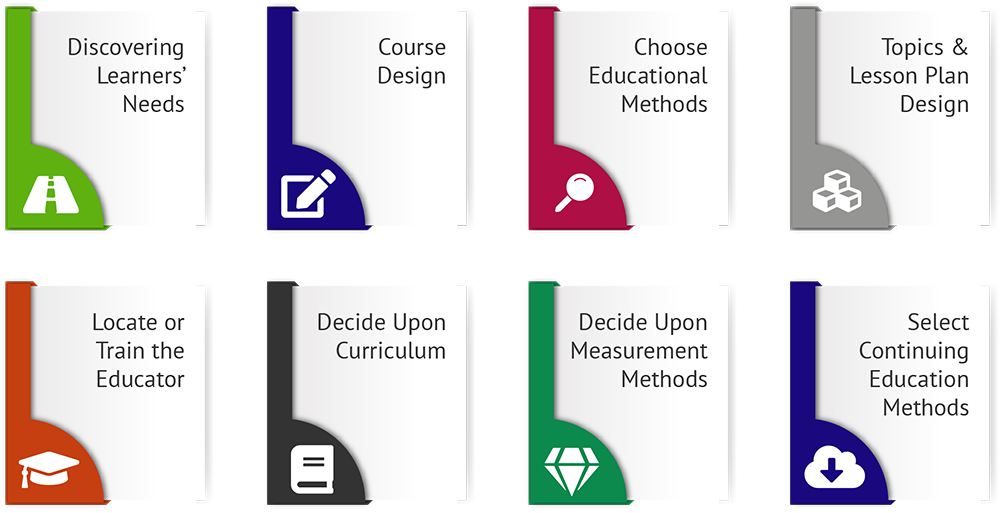
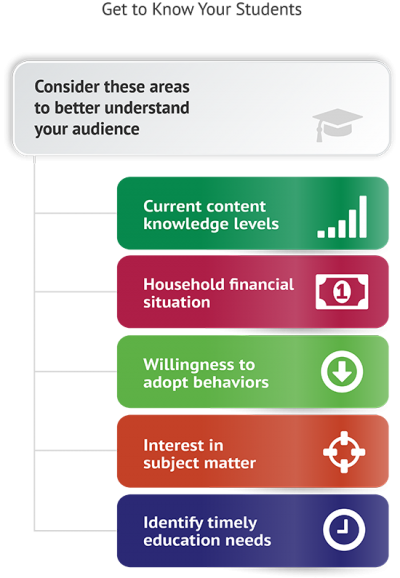
Sarah Stidham was an active PTA member at her daughter’s school. She had a passion for teaching financial literacy to youth her daughter’s age, but wasn’t sure how best to get a program started. Sarah had sometimes volunteered in the classroom, like bringing refreshments on Valentine’s Day. But she herself was not an experienced teacher. Sarah decided she wanted to start just by working with the sixth graders in her daughter’s class – 28 students in all. Sarah talked with the other PTA members and with her daughter’s English teacher, who thought having a 45-minute class on financial education would be a great idea. Now Ms. Stidham could move on to decide how the lesson plan would be built. By getting feedback from some parents she knew, Sarah found out that kids at the sixth-grade level could grasp learning about bank accounts and budgets.
2. What do Kids Need Most? Goals for Teaching Financial Literacy to Youth
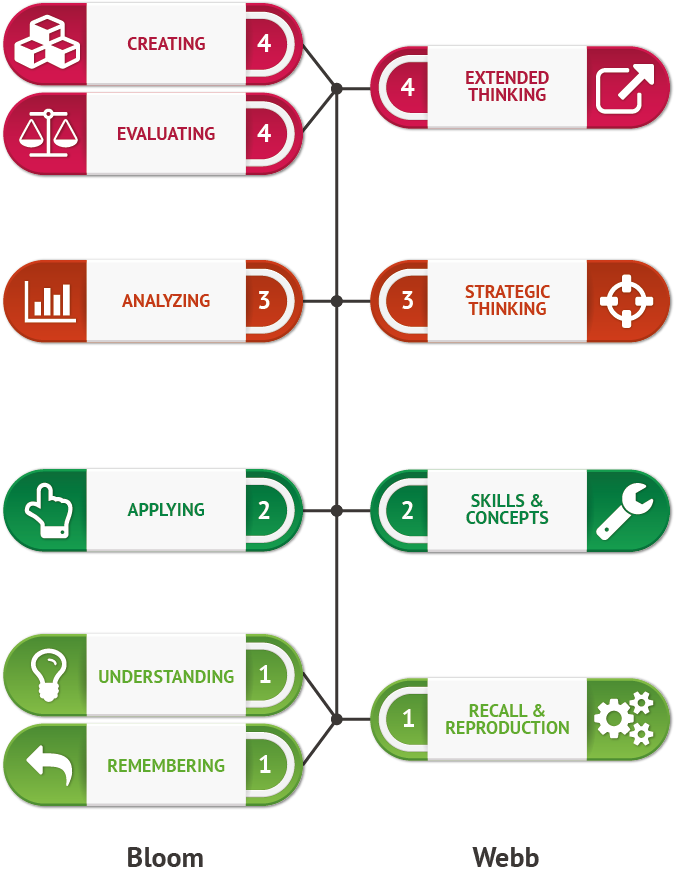
Sarah’s first plan for Teaching Youth Financial Literacy was the 45-minute class to 28 sixth-graders in her daughter’s class. But she had a longer-range idea that she could reach more students at the school, perhaps with quarterly lessons that would deepen their financial knowledge. Ms. Stidham set an initial goal of getting students to Webb’s Depth of Knowledge Level 1 – recall. But later she could expand her vision to encourage greater financial competency.
3. Pace and Deliver Materials According to Desired Outcomes
Now that Sarah had fine-tuned her immediate objective and long-term vision for teaching financial literacy to youth, she needed to choose how the first class would be delivered. Given the students’ ability to grasp specific content, she decided on live instruction delivered at the school, but also to send home self-paced financial literacy worksheets for the parents and kids to complete together.

4. Teaching Youth Financial Literacy Means Tailoring Specific Lessons
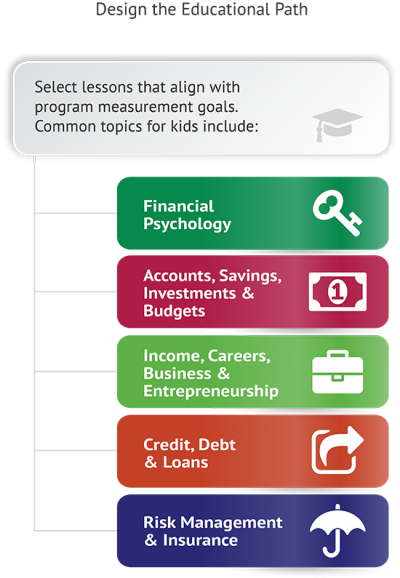
Sarah’s next step on the road to Teaching Youth Financial Literacy was to choose which topics to present. After discussing it with the English teacher, she decided to center the 45-minute class around identifying needs vs. wants, setting up bank accounts, and the basics of creating a budget. Based on the age of the students, Sarah decided she could reach her target outcome of having students recall basic information by developing parent-child worksheets to practice budgeting and bank account principles.
5. CFEI Credentials Define Educators Skilled at Teaching Youth Financial Literacy
Then Sarah needed to find an educator skilled in teaching financial literacy to youth, who was capable to present to the sixth-grade English class – someone qualified in both pedagogy and personal finances. So she brought it up at the next PTA meeting. As it happened, Mrs. Metz, the parent of one of Sarah’s daughter’s classmates, was a successful graduate of the Certified Financial Education Instructor coursework and a trained financial literacy speaker. Mrs. Metz was pleased and readily available to teach the English class.

6. Flexibility and Age-adjustment Represent Some Qualities for Choosing Resources
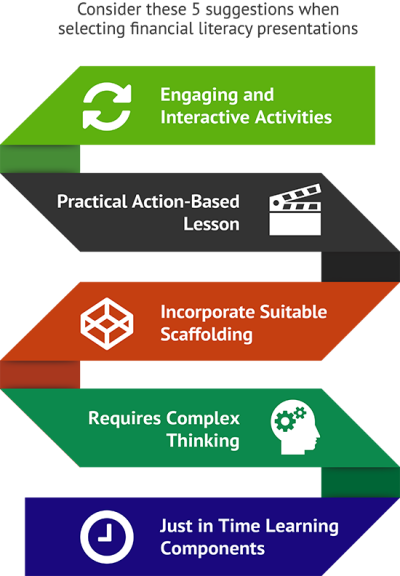
Now Ms. Stidham needed to find top-quality, age-appropriate curriculum resources for Teaching Youth Financial Literacy – with lessons that addressed her target topics, account management and budgeting. She sought a flexible package where she could pick and choose relevant pieces, and that had action-based activities that could fit on her worksheets. She accomplished her objectives by choosing curriculum materials designed to be flexible and modular design and with just-in-time learning segments, all of which were age-adjusted for 11-12-year-old kids. She selected comprehensive financial literacy for youth curriculum that had integrated worksheets and built in testing.
7. Measuring and Reporting the Effects of Teaching Financial Literacy to Youth
A total of 27 sixth graders (96.4%) were present the day Mrs. Metz undertook teaching financial literacy to youth in the English class. The kids showed average score increase of 23% on a short pre- and post-quiz. Ms. Stidham and Mrs. Metz distributed the worksheets; students would earn credit for bringing the completed worksheets back the following Wednesday. When Sarah followed up with the English teacher on Thursday, she learned that 25 of the students had brought the worksheets back. Teaching Youth Financial Literacy had proven valuable in this instance. Sarah generated a report summarizing the data and sent it to all the sixth-graders’ parents, with the hope that they would get on board for future activities.

8. Once is Not Enough: Follow Initial Accomplishments with Continuing Reinforcement
After the first try at teaching financial literacy to youth had proven successful, Sarah was inspired to continue helping students and parents put their knowledge into action. When know that when teaching financial literacy to high school students repetition was important. Sarah gave each student a handwritten thank-you card to take home to their parents. Then she and Mrs. Metz worked in tandem to pull out a few more activities from the curriculum to turn into worksheets. The worksheets kept financial education in the forefront of both students’ and parents’ minds, providing support and reinforcement for the education.