
Teaching Personal Finance Topics: 8 Important Steps
Have you been on the internet searching for personal finance topics? There simply aren’t very many trustworthy solutions out there. Well, you don’t have to worry any longer, because your search just brought you to the right place. We’ve developed a comprehensive guide, outlining all that’s needed to craft a top-notch financial education course in an effort to assist both companies and individuals in reaching their full potential.
The NFEC provides personal finance topics to participants across the globe, utilizing material that’s customizable for any group of people – no matter which age they are or where they fit socioeconomically.
Our rigorously-tested solution is entertaining while still being engaging – and leaves the end user with a strong impression.
1. Personal Finance Topics in the Real World
Cindy is the lead coordinator for a group of 41 tutors at a community college. Every single person she oversees is a current college student. After receiving repeated questions related to financial advice, she decided to try and help them all by teaching them personal finance topics. The sole problem she faced was that she didn’t really know how to get started. She already had acquired a solid level of knowledge on the topic herself, but she never really considered herself a good teacher. That’s the reason she came to the realization she would need external help to teach this critical information and develop the personal finance lesson plans.
After performing a series of casual interviews with her adult students, she realized that essentially every single one of them lacked even a basic understanding of responsible money management – so she knew that an easy-to-understand approach would work best.
2. Stage One
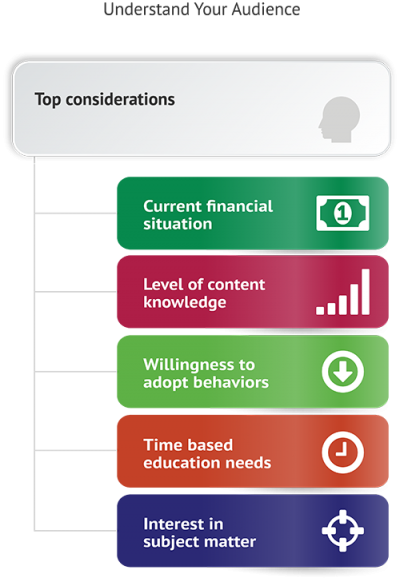
At first, Cindy’s idea was to organize a series of workshops herself, and use that method to help this group acquire this critical knowledge. She was hoping to cover the basics fast, so she decided to start with the fundamentals. Later on, though, her long-term plan was to help them gain confidence in personal finance topics.

3. A Personal Finance Topics Map
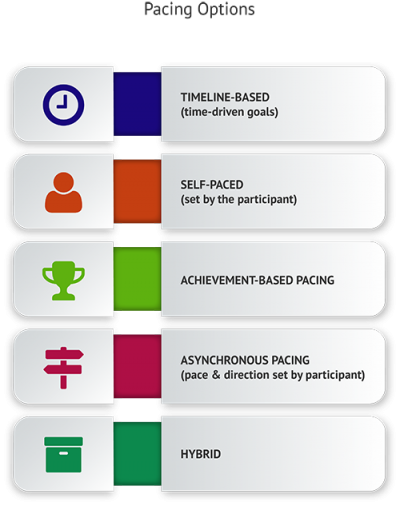
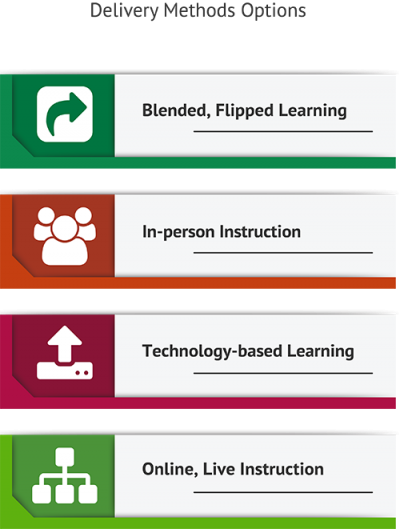
Now that Cindy was settled when it came to her short-term plans and she had a blueprint for the future, she could then focus her attention on the best presentation method for this critical information. And how should she dictate the learning pace? What about the delivery method? This large group, unfortunately, all juggled differing schedules and had wildly varying availability. That’s why she had realized that an online program would be ideal, allowing the group to learn when it’s most convenient.
4. Designing an Educational Blueprint
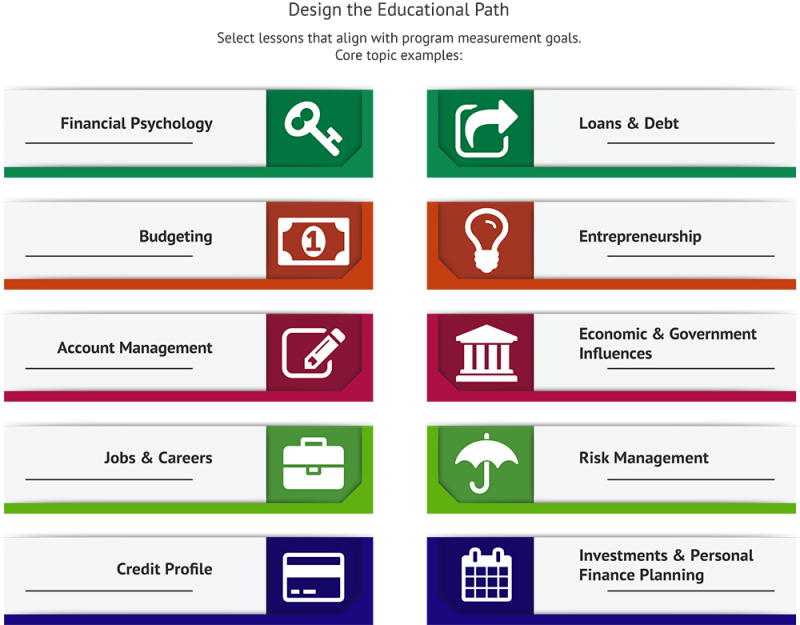
What Cindy had to do after that decision was made was to narrow down the matters on which her course would focus. Because the whole group was totally new to this topic, she decided it would be ideal to give them a general overview of personal finance topics.
5. Timing it Well
Cindy really needed to find a program option that tackled this subject focus with the use of engaging, interactive learning activities, and one that would be able to work in the face of the group’s clashing schedules. For this very reason, she decided to select a course that could provide a flexible, modular learning experience would be best.
6. Seeking Out Help for Personal Finance Topics
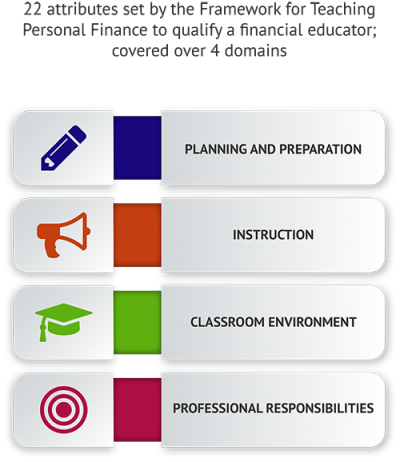
Cindy knew that mapping out a course like this wouldn’t be too difficult for her, but she was concerned she wouldn’t make it engaging or fun enough. In order to guarantee that the course would be effective, she decided to reach out to a NFEC Certified Educator for some extra assistance with the “fun and engaging” aspect. Thanks to some extra help from an experienced veteran in the field, she immediately felt more confident.
7. The Beginning of the End

8. Don’t Forget the Follow-Up
Cindy knew that this group would require ongoing support if they were to succeed down the road. Immediately after the initial personal finance topics were done, she decided to draft some personalized email messages to encourage their ongoing education.
To help them all maintain what they learned, Cindy decided to offer everyone monthly follow-up courses. Doing so would enable them to continue growing the foundation of vital knowledge they’d already constructed.