
Get the Top Financial Wellness Survey Questions
For the top financial wellness survey questions to get excellent results, the National Financial Educators Council has the solution. They have a complimentary package of financial literacy survey tests and measures that educators or individuals may employ to learn more about financial literacy status. People may choose the survey they want to take, receive the results through email, then review and apply those data to make decisions.
Items Assessed by the Personal Finance Survey Questions
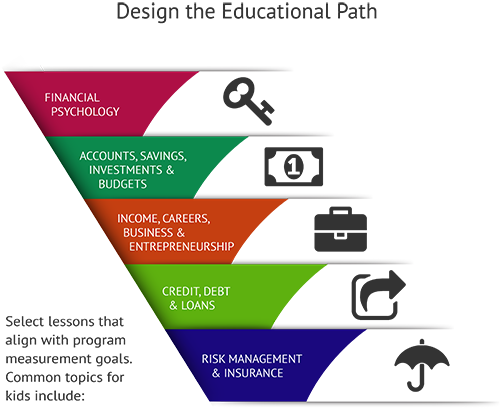
The NFEC’s comprehensive bank of personal finance survey questions and tools are created to evaluate key indicators of people’s financial profiles, including not only their money situations but also their emotional attitudes, behavior patterns, inclinations and motivations to make behavior modifications that improve their financial positions. The first set of money management survey items – current situation – involves questions about income sources, credit, loans and debt, savings rates, and investment capabilities. Instructors can use answers to these questions to assign students to groups based on shared aims and aspects. The NFEC indicates that results of its survey with 15-18-year-olds leave much room for improvement.
Another bank of financial wellness survey questions targets people’s attitudes, feelings, behaviors, and stages of change related to money. Emotional relationships with money and the level of confidence people feel when making financial decisions are included in the financial sentiment measures on this financial literacy survey questionnaire tool. To evaluate financial behaviors and willingness to change them, the Transtheoretical Model of Behavior Change (Prochaska & DiClemente, 1983) provides a useful framework. When conducting such financial literacy test surveys, the researcher should keep the possibility of respondent bias in mind. Individuals may report that they’re doing better financially than the actual reality represents, for example. Setting stable parameters for empirically evaluating positive change can help avert the potential for such bias.