
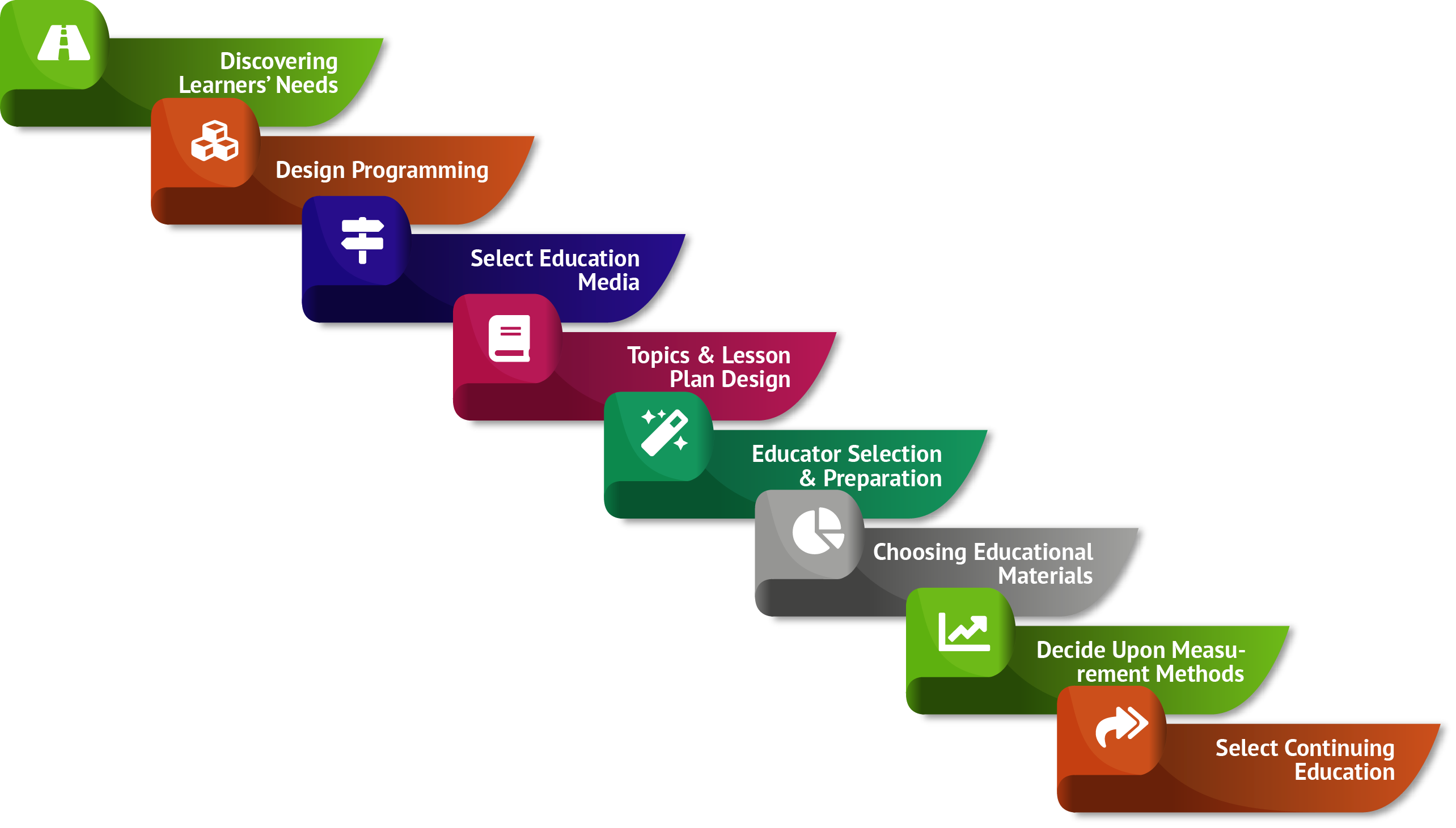
Eight Key Steps to Hosting a Winning Financial Wellness Seminar
Do you need to find a winning strategy for planning a successful financial wellness seminar? Well, you’ve found it right here! Your hunt is over. We’ve spent a lot of time developing a step-by-step walkthrough that details exactly how you can reach your objective – and build the right program for your specific needs.
A Realistic Financial Wellness Seminar Plan
Success: A Real-World Example
In the example that follows, you can see an example of a professional who successfully got assistance to pull off a financial wellness seminar:
Tammy-Jo is the lead event coordinator for local non-profit, where she’s managed to work her way up in less than one year. Now, however, she supervises 14 college-aged support staff members – which has proven to be a fulfilling experience for her. After multiple team members came up to her asking for personal finance advice, she opted to start organizing a financial wellness seminar. She was already quite familiar with everyone in this group, and she understood the topic, but she knew she would need help for some specific pieces of the puzzle.
Following the completion of a fast and casual sample survey that she did with some members of the group, she quickly knew that everyone – for the most part – wanted to learn about the fundamentals of money management.
Financial Wellness Seminar Topics: Defining GoalsTammy-Jo already understood the benefits of financial wellness programs and knew exactly what her short-term goal was: lift this group up to a level of personal finance knowledge that they could apply to their own habits. Thanks to the tight schedules and limited availability of this group, she could see that each member of the group would be able to participate for about three hour per week – maximum. That’s the reason she was alright with just doing condensed financial wellness seminar topics that centered on only the fundamental principles.
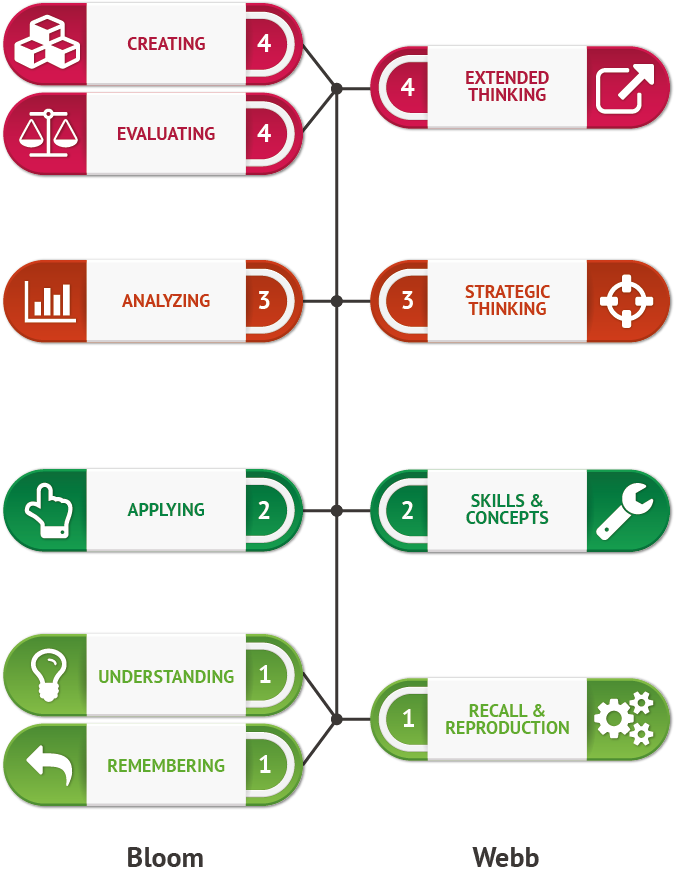
When it came time for this seminar to end, here final aspiration was for everyone in the group to rise to the “Skills and Concepts” level of understanding. She would measure this through a financial wellness survey and test.
Where Winning Starts
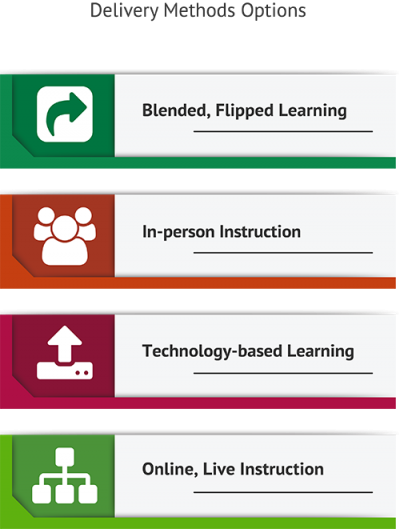
Tammy-Jo, who had clearly defined her objectives at that point, then had to focus her attention on picking the best delivery method. This group of individuals, unfortunately, had schedules that were all over the place, so she understood that a technology-based solution would be the ideal answer.
Getting a Clear Focus
Tammy-Jo just needed to narrow down the main focus of the financial wellness seminar topics she was planning. She had a small amount of financial literacy grant monies that would cover printing of the materials and a clear plan. She also understood that most of this group were young professionals, so she decided to focus the seminar on long-term investing and credit scores.
It Takes a Village
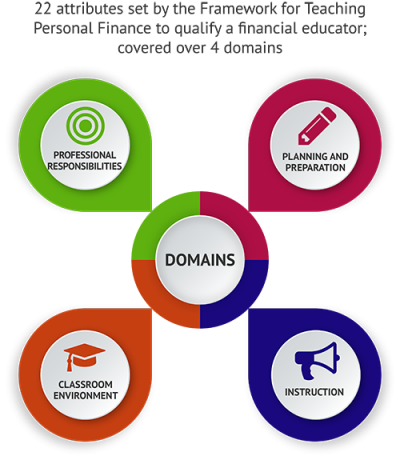
Tammy-Jo, at that point, had to reach out to an experienced educator who could help deliver this material. She was hoping to procure an instructor that had both a verifiable track record, as well as proven teaching skills.
The educator she ended up choosing was a Certified Financial Education Instructor who was certified by NFEC.
The Importance of Format and Curriculum
Tammy-Jo would need a financial wellness seminar that could work in the constraints that she faced as it related to scheduling. For that reason, she decided to offer a flexible seminar that would be divided into sections that could be completed whenever the students had time.
Data Speaks: How to Demonstrate Impact
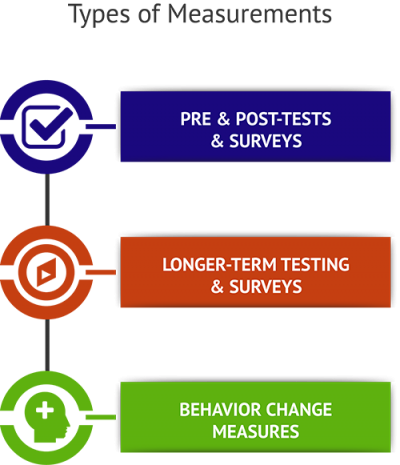
Of the 14 staff members who ended up participating in the financial wellness program, 13 completed the whole thing. Those who finished had an average improvement score of 10%. Tammy-Jo then collected the data so she could make a summary that highlighted how much progress the group had made together, so they could visualize it for themselves.
Encouraging Future Progress
She decided to continue providing follow-up ongoing financial wellness workshops, once per month, so that they would have the power to retain everything they had already learned.
She ended up choosing to continue offering follow-up seminars, once monthly, so that they would be able to more easily maintain everything they learned already.