
Financial Literacy Resources for College Students
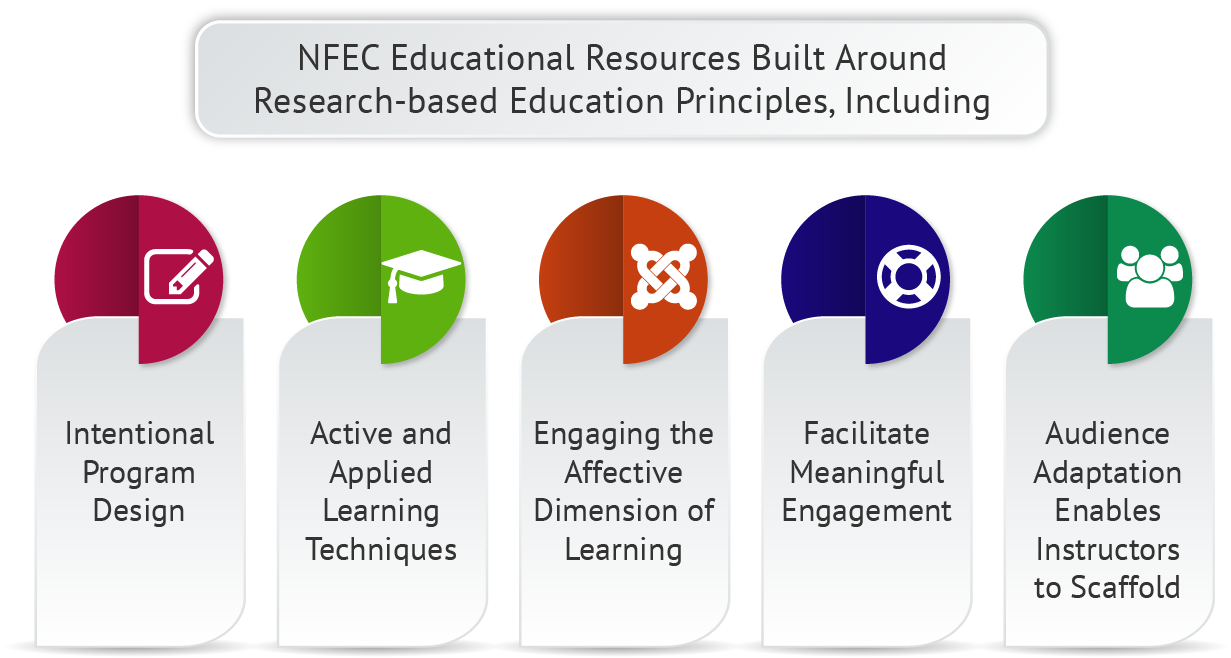
For the widest selection of financial literacy resources for college students, the National Financial Educators Council is an excellent choice. The NFEC has compiled a superior repository of financial literacy resources and assets, all of which align with research-based principles for education and personal finance instruction. The empirical research upon which the organization has drawn to develop its resources include studies in pedagogy, learning styles, motivational and engagement techniques, and best practices to inspire long-term behavior change. The resulting set of resources – ranging from curriculum to workshops to large-scale event plans – is the most comprehensive available in the financial literacy space today.
Intentional and Backwards Design Features of NFEC Resources
The NFEC’s financial literacy curriculum for college students was designed intentionally, with built-in scaffolding and targeting opportunities. Further, they can be useful for all age groups, as recommended by the Illinois Department of the Treasury in its directory of resources. Guided by the latest pedagogical and behavioral research, the materials support learners to acquire financial knowledge, form positive money habits, and set up systems that help strengthen their personal finance futures. Some features of the NFEC resources include:
Financial Education Resources for College Students Require Multimethod Delivery
NFEC personal financial tools and resources achieve results through all phases of instruction – pre-programming, during programming, and post-programming. A smooth transition through these three stages gives learners confidence in the program, builds interest, improves outcomes, and extends program impact.

Featured by The Federal Reserve
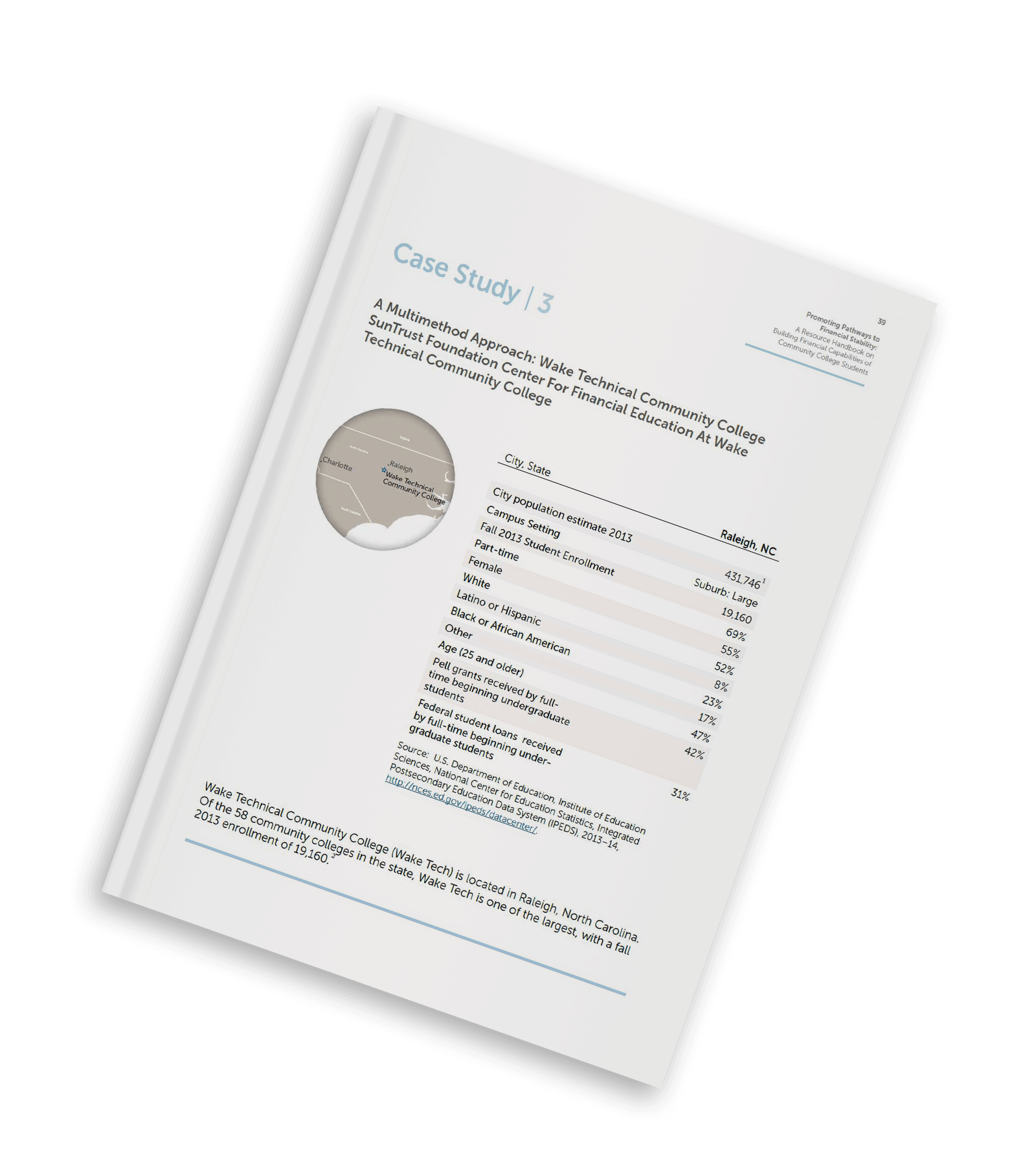
The Federal Reserve has featured the NFEC’s multimethod approach on college campuses as a case study example of best practices.