
How to Build a Successful Financial Literacy Course
Are you searching for a strategy to plan winning financial literacy course? Well, you’ve found what you’ve been searching for! We’ve prepared an in-depth breakdown of all the right steps that will help you reach your goal. Keep reading below to find out more.
First Look: Financial Literacy Course

A Practical Road to Winning
In the example below, you will read all about a scenario in which a working professional who, with a bit of help, was able to successfully plan a basic financial literacy course for his job:
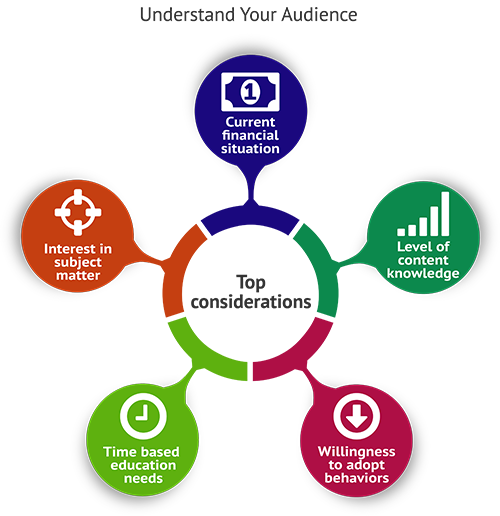
Winston works at a customer support call center for a multinational food delivery app, where he oversees 14 employees who are all college students. After getting a number of questions regarding personal money problems from many members of his call center team, he realized that he should plan a financial literacy course that everyone could benefit from. He knew this group of employees well, and he knew the subject matter even better, but he was also aware that he’d need some serious help if he was going to pull this off successfully.
After he completed a quick and informal sample survey within the group, Winston quickly realized that this group had almost no working knowledge whatsoever.
Set Goals: A Basic Financial Literacy Course
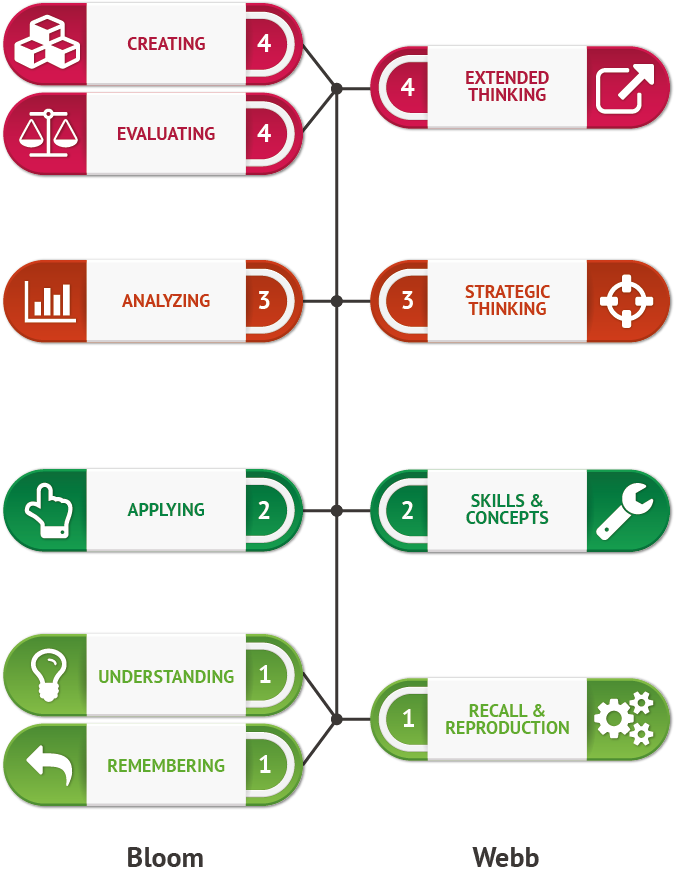
For the end of this course, Winston set his goal for his team members to reach the “Analyzing” level of knowledge as it relates to Bloom’s Taxonomy.

Where Success Begins
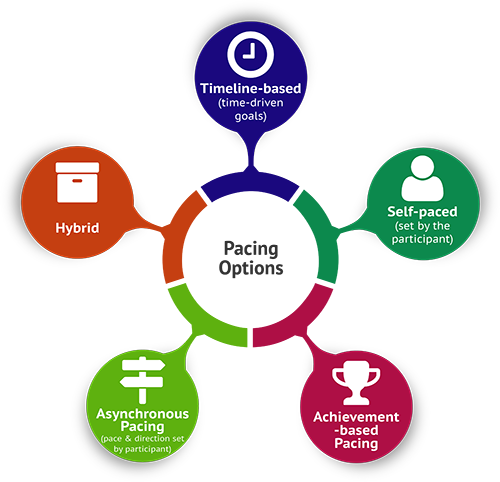
Now that Winston had an idea of what his objectives were, he had to decide on the delivery method he would use. This group of call center employees had mismatched, wildly varying schedules that were all over the place, which made him realize that an internet-based financial literacy course would be the best way to go.
How to Fine-Tune Your Financial Literacy Course
Winston, at that point, needed to figure out a narrower concentration for his basic financial literacy course. The majority of this team was made up of college students, so he opted to focus the course on student loans and establishing healthy credit.


It Takes a Village
After that, Winston had to seek out a person to help present this vital material – a seasoned educator. He was hoping to find an instructor who was both a great teacher and a seasoned personal finance expert.
The educator he ended up choosing was a Certified Financial Education Instructor who was certified by NFEC.
Define a Format
Winston needed a basic financial literacy course that would still work within the scheduling constraints he faced without sacrificing quality when it came to the material. Just for that reason, he decided to design a flexible program that’s broken up into small modules that can be finished on each member of the group’s free time.

Visualizing the Outcome
Of the 14 team members who ended up participating, 12 were able to successfully make it to the end of the financial literacy course – with a total average improvement score of 11%. Winston then collected the data and generated a report so that he could show the team how successful they all were.
Looking Ahead: Motivation & Growth
Winston knew that these leadership coaches would be best served if they continued to receive ongoing support. When the workshop was over, he printed out certificates showing their completion and improvement score – as well as a personal congratulations.
He decided to keep offering follow-up lessons, once every month or so, to enable the call center employees to more easily retain what they had learned through his basic financial literacy course.