
Investing for Beginners: Building Confidence One Step at a Time
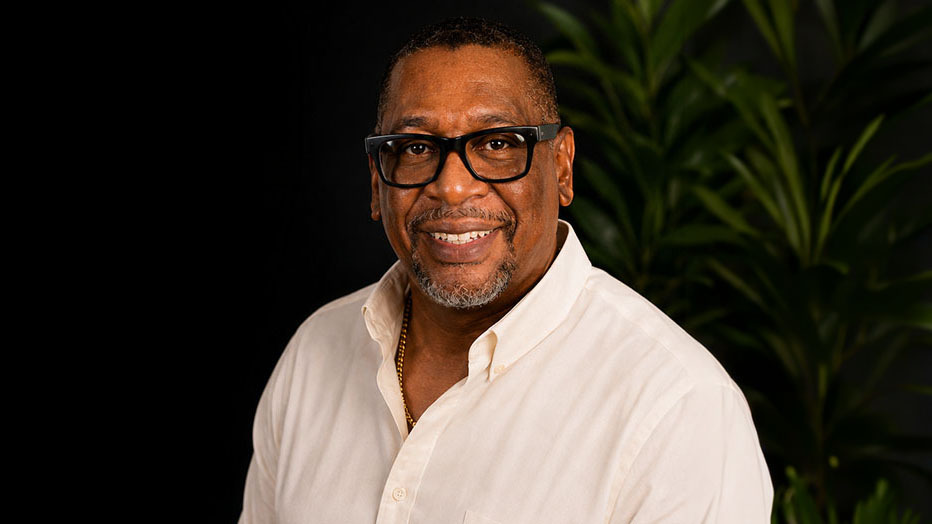
by Craig McKinnis, Author, Get Good at Money: A Beginner’s Guide to Investing
Investing can seem like a language reserved for people who already understand money. Stocks, bonds, ETFs, asset allocation, diversification, and compound growth are common terms in financial conversations, yet they can leave beginners wondering where to start.
Craig McKinnis, author of Get Good at Money: A Beginner’s Guide to Investing and creator of the Money Ministry media platform, believes the first step is not picking an investment. It’s building enough understanding to make informed decisions.
“People don’t need to know everything about investing before they begin learning about it,” is the philosophy behind McKinnis’s approach to financial education. His focus is on making investing fundamentals understandable and useful, particularly for first-generation investors, working adults, and others who may have felt excluded or intimidated by traditional financial conversations.

Investing Starts With Clear, Simple Explanations
At its most basic level, investing means putting money into an asset with the expectation that it will increase in value or generate income over time. Unlike money held in a savings account, investments can lose value, and returns are never guaranteed. That makes education an important part of becoming an informed investor.
Stocks, for example, represent ownership in a company. Bonds generally involve lending money to a government or corporation in exchange for interest and the eventual return of the principal under the terms of the bond. Mutual funds and exchange-traded funds, or ETFs, allow investors to own collections of investments rather than selecting individual securities one at a time.
For someone just getting started, McKinnis says the objective should not be mastering every investment product available. The goal should be understanding the basic choices well enough to ask good questions and recognize the relationship between potential returns, risk, time, and personal goals.
That distinction is important. Financial education is not about telling people what they should buy; it’s about giving them the knowledge and confidence to evaluate their options.
The Biggest Investing Challenge May Be Mindset
Understanding investment terminology is only part of the equation. McKinnis also emphasizes the behavioral side of investing.
Markets rise and fall. When an investment loses value, fear can encourage an investor to sell at precisely the wrong time. When markets are performing well, excitement or fear of missing out can encourage people to chase returns without fully considering the risks.
For beginners, developing a long-term mindset can be just as important as learning how the stock market works.
Investing generally is not a get-rich-quick strategy. It’s a process that involves patience, consistency, and the ability to remain focused on longer-term objectives despite short-term market fluctuations. Understanding that reality before investing can help people approach inevitable periods of uncertainty with a more balanced perspective.
Compound growth is another fundamental concept McKinnis believes beginners should understand. When earnings remain invested, they have the potential to generate additional earnings over time. Given enough time, that process can significantly influence the growth of an investment portfolio, although it does not eliminate investment risk or guarantee a particular outcome.

Making Financial Language More Accessible
For McKinnis, simplifying financial education does not mean oversimplification; it means translating complicated concepts into language people can actually use.
Consider diversification. A beginner does not necessarily need a technical explanation. At the core, diversification is about spreading money among different investments rather than depending too heavily on one investment or category.
Asset allocation describes how an investor divides money among different types of assets. Risk tolerance relates to how much uncertainty or potential loss an investor is prepared to accept. Fees are the costs associated with an investment or financial service.
These concepts matter, but the terminology should not become a barrier to learning them.
That is particularly relevant for first-generation investors, who may not have grown up with conversations about retirement accounts, investing, or wealth-building. Without a family member or mentor to explain the basics, the financial world can appear unnecessarily complicated.
McKinnis’s work addresses that gap by approaching financial education from the perspective of the learner rather than the industry.
Confidence Doesn’t Mean Having All the Answers
One of the most important outcomes of financial education is confidence – but McKinnis sees confidence differently from simply feeling certain about a financial decision.
True financial confidence includes knowing what you understand, recognizing what you do not understand, and knowing which questions to ask.
For a new investor, those questions might include: What exactly am I investing in? What are the potential risks? What fees will I pay? How long might I need to keep my money invested? How diversified is the investment? What happens if its value falls? Learning to ask those questions can be a significant step forward.
It also reinforces an important distinction between education and financial advice. General investing education can provide foundational knowledge, but individual investment decisions depend on circumstances that vary from person to person. When appropriate, investors may benefit from seeking guidance from qualified financial professionals who can take their individual situation into account
Expanding Access to Investing Education
McKinnis’s work reflects a broader belief that financial education should reach people wherever they are – not just those already participating in traditional financial systems.
Through Money Ministry, his book, and his broader outreach efforts, he is working to bring approachable financial conversations to colleges and universities, with particular interest in HBCUs; as well as community organizations, nonprofits, and faith-based groups. Podcasts, videos, radio, and other media provide additional opportunities to reach people who may be more comfortable learning about money outside conventional financial settings.
That approach recognizes that people enter the investing conversation from different starting points. Some may already have retirement accounts but know little about how their investments work. Others may be earning a steady income but have never invested at all. Still others may have learned about investing primarily through friends, family, or social media.
There is no single starting line.
What matters is creating an environment where people can ask questions without feeling embarrassed, learn without being overwhelmed, and develop the confidence to take informed next steps.
For beginners, investing doesn’t have to begin with a complicated portfolio or an extensive knowledge of financial markets. It can begin with a question, a willingness to learn, and an understanding of a few fundamental concepts.
The objective is to make financial knowledge accessible enough that more people can participate in decisions that affect their financial futures.
For McKinnis, that is ultimately what beginner investing education is about: moving people from confusion to understanding – and from understanding to informed action. “Financial education should move people from confusion to capability,” he says. “By expanding access to practical, understandable resources, we can help more Texans make informed financial decisions and build stronger financial futures.”