
An Eight-Step Guide for Teaching Money Management to Students
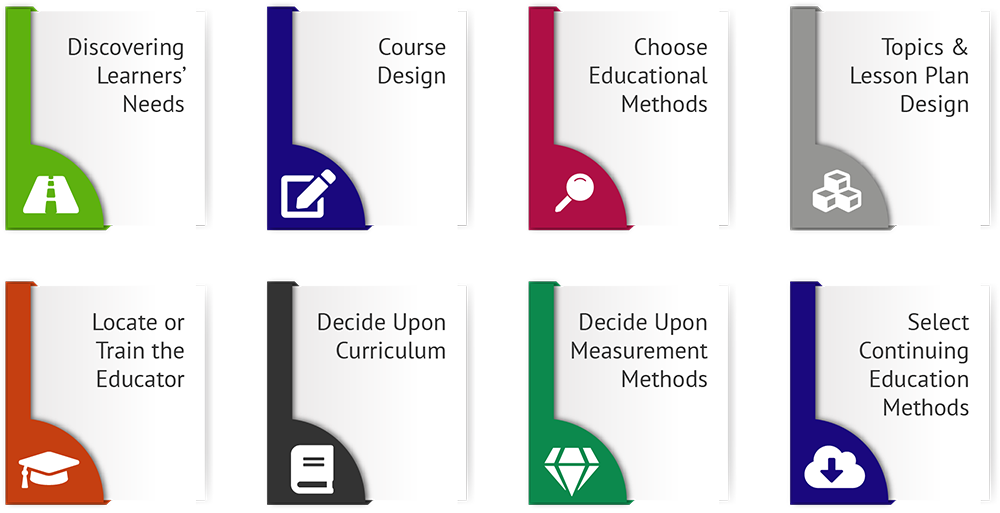
There is an eight-step process that represents best practices for teaching students money management at any age. Anyone with an interest in learning these criteria will find all they need on this webpage – resources, information, and a case study illustrating how the procedure works.
Teaching Students Money Management? Follow these Guidelines
1. Developmental Recommendations for Teaching Money Management to Students
The development of a financial education course should be completed according to the phases described below. Here’s a case study that illustrates how to make such an endeavor successful:
Matthew Parker was a retired police officer who now served as volunteer liaison between the Police Department and Grant Middle School. Matthew had recently developed an interest in teaching students money management. He wanted to build a financial education program that would help keep young people in his community out of trouble. Grant was a reputable private school, and most of the kids who went there came from affluent families. But in Matthew’s experience, although the kids had plenty of money, they lacked the smarts to manage it effectively, often spending out of control on non-essentials and toys. They needed basic information about the whys and hows of saving and planning for the future.
2. How Well do you Know your Demographic for Teaching Students Money Management?
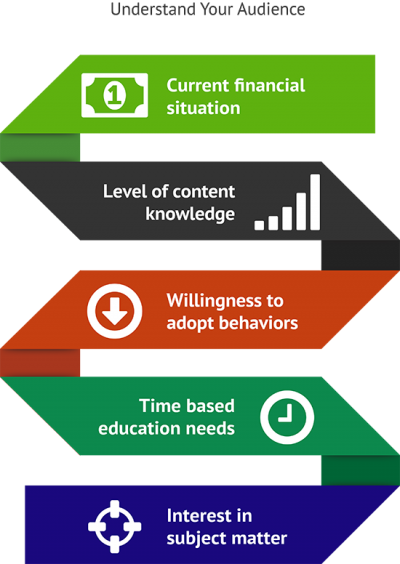
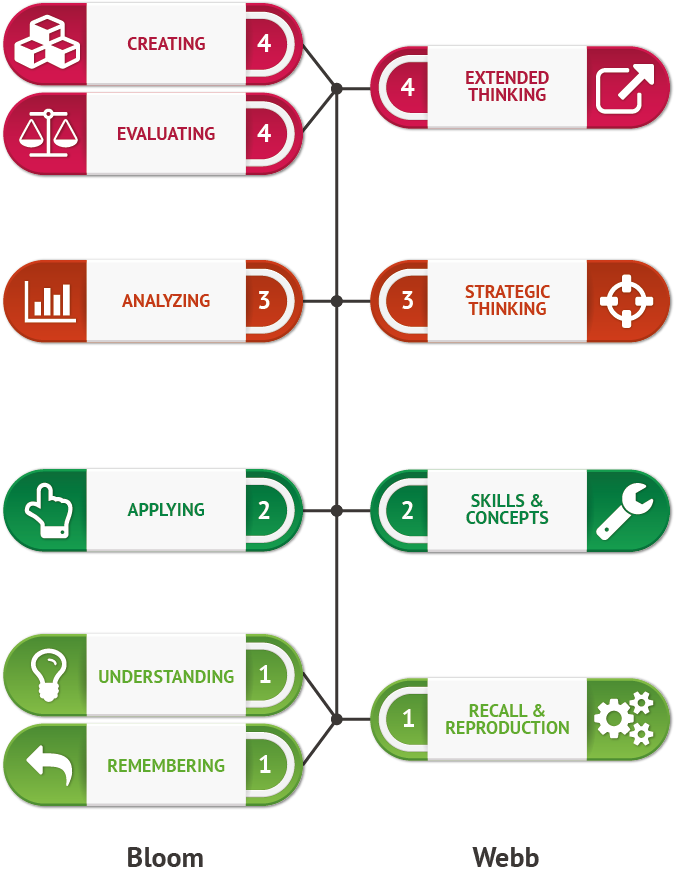
Matthew envisioned an after-school program for Grant students who had been given detention for classroom infractions. The goal would be teaching money management to students now, in a way that would help them avoid financial pitfalls as they matured. Because Matthew would only have an hour a week to deliver the program, and a potentially different group of students each time, he thought he would focus on a single topic each week. The long-term objective would be to motivate students to learn more about money. Thus Matthew’s initial plan was just to get kids to Level 1 on Webb’s Depth of Knowledge scale, where they could recall basic money management ideas.
3. Now, Select How you’ll Pace and Deliver Lessons for Teaching Money Management to Students Optimally
Next step on the path for teaching students money management: choosing pacing and delivery modes. Matthew wanted to do the lessons on his own, in person, during the after-school detention period. He chose to pace the instruction according to how quickly the kids picked up concepts – in other words, by achievement.

4. Maximize your Effort by Selecting Age-adjusted Topic Areas
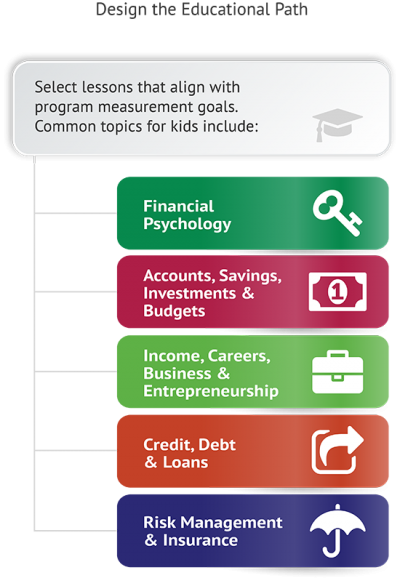
Matthew needed to pick age-appropriate topics for his after-school program. Since the kids were from well-to-do families, his effort for teaching money management to students could assume that they actually had some money to manage. Matthew decided to teach students about money starting with some of the fundamentals of compounding interest and investments, to help them understand how to get their money working for them.
5. The Educator Makes All the Difference: Choose One with Appropriate Skills
Matthew then wondered where he would get the skills for teaching students money management topics. He didn’t have the necessary credentials to give him the confidence that he was doing a good job. Matthew found out about the Financial Education Instructor program, a certification course sponsored by the NFEC. Successfully completing this course would solve his problem handily.

6. Curriculum Resources for Teaching Money Management to Students: Phase Five
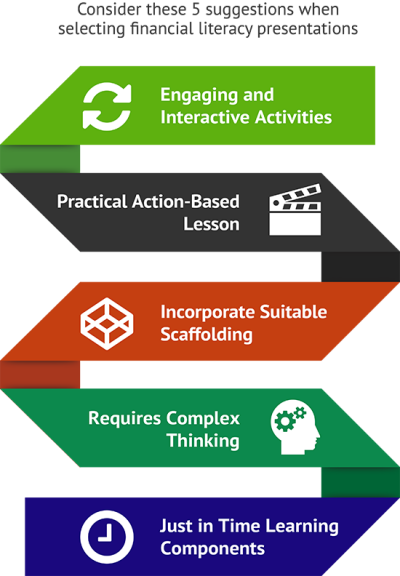
Now Mr. Parker wanted curriculum materials to support his effort of teaching money management to students after school – materials with engaging, interactive activities and scaffolded for the middle-school ages. Matthew met this challenge by selecting money management lesson plans that had just-in-time learning pieces to address students’ presenting needs, and action-based lessons to motivate the kids to learn more.
7. Pre- and Post-testing, Other Measures Accurately Assess Impact
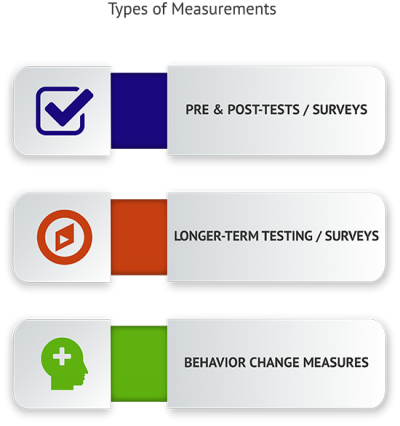
The first time Matthew presented his one-hour after-school program, 9 students were in detention that day. Their mean scores on a quick quiz went up by 15% after taking the instruction. This initial success at teaching students money management gave Matthew confidence to push forward. Compiling the data into a summary, he gave it to the principal to demonstrate that the potential impact of his program was quite positive.
8. Generate Momentum for Teaching Students Money Management Across Time
Matthew Parker was happy with his first experience teaching money management to students, but he wanted to keep going. The students needed ongoing education that would motivate them to put their skills into action. Matthew asked the school newspaper to publish the accomplishments of the participants. Then he established a system where he would post FAQs about savings and investments that the kids could comprehend in an online forum to which he gave the students access. This forum would help keep the students actively engaged in financial education.