
Eight Important Tips for Teaching Money Management to High School Students
If you’re interested to learn the best ways for teaching money management to high school students, you’ve reached the right place. The information on this page will guide you through the process using a series of steps that represent best practices in the financial education industry.
Top 8 Factors for Teaching Money Management to High School Students
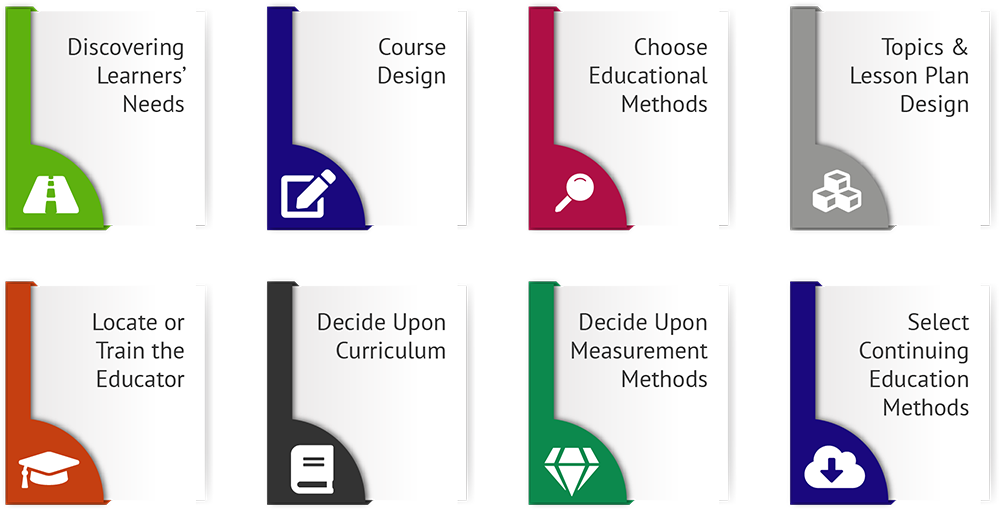
1. Guide for Teaching Money Management to High School Students
Here you’ll find a good example of how this process helped someone turn her desire for teaching high school students money management into reality.
Olivia Baxter was a retired high school teacher who wanted to fulfill her passion for teaching money management to high school students, but she wasn’t aware of the best way to bring a program to her community. Having taught high school for more than 30 years before retiring, she had a good understanding of her audience and knew she wanted to bring financial education to the 800 students in her former school. However, she lacked a few key pieces of information about how to bring the school on board, involve parents, set learning goals, and choose a curriculum and delivery method that would produce real results.
By informally talking with the teachers from her former school and a few parents, Olivia gathered the information she needed. She learned that one of the math teachers shared her interest in teaching high school students money management skills; and was willing to incorporate lessons into her business math classes.

2. Opening Phase of Teaching Money Management to High School Students – Clarify their Needs
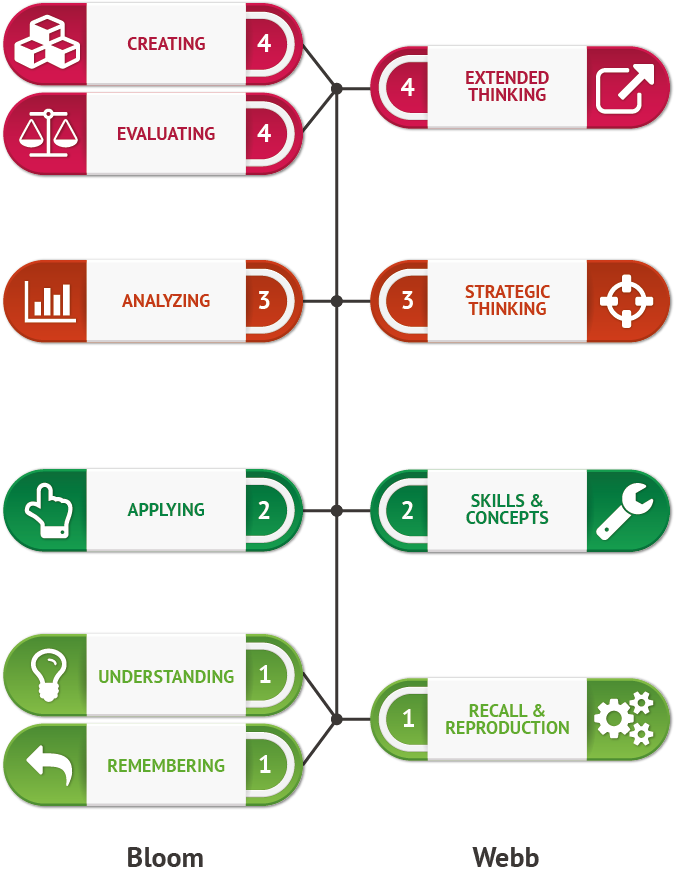
Since Olivia knew these business math students were interested in starting businesses, her initial objective was to introduce them to the principles of entrepreneurship. Because the time available was just a little – a one-hour class period –she was okay with just a basic overview of entrepreneurship to start, but her hope was to expand the program to encompass more comprehensive money management topics in the future. For the initial presentation, Mrs. Baxter set a goal of getting students to Level 2 on Webb’s Depth of Knowledge scale, that is, being able to recall the content and apply it to solve basic business planning problems.
3. Setting Pace and Mode of Delivery is Phase Two
Once Olivia had set her short-term objectives and had a long-term vision in mind, she could focus on how she would deliver the material she chose for teaching money management to high school students. She settled on achievement-based pacing, where students would be able to solve a couple of business problems by the end of the class. Because the educational venue was a high school class, Olivia chose in-person instruction as the delivery mode.

4. Honing the Topic Approach Comes Next
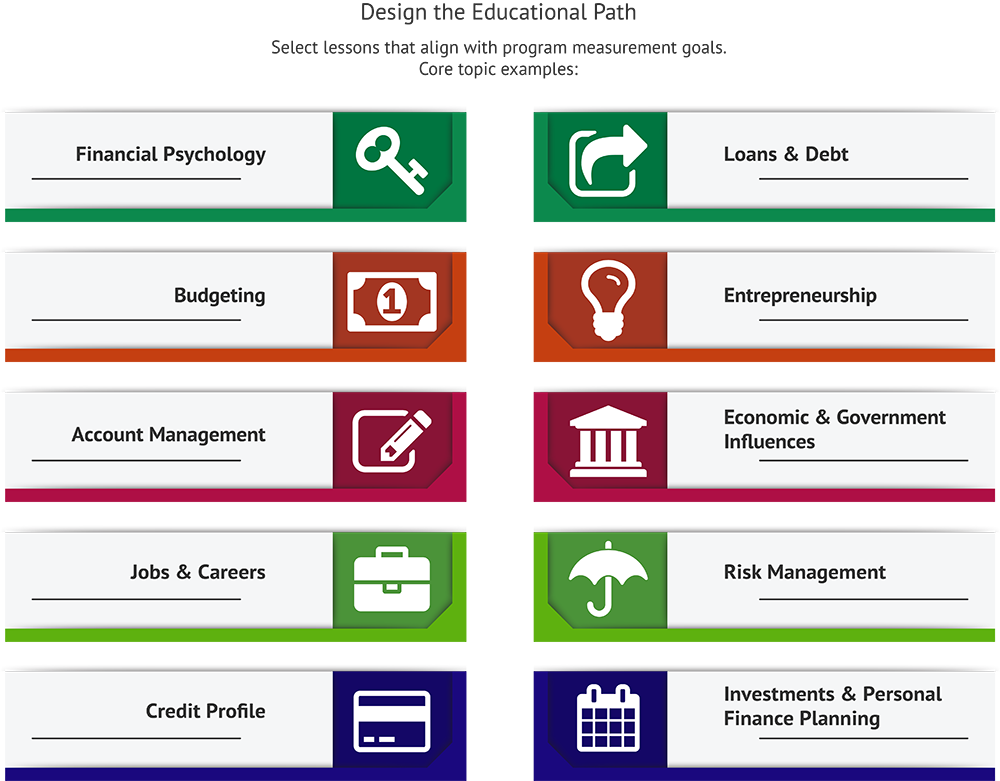
The next key step in the process of teaching high school students money management was for Olivia to select the subjects on which to focus the class. She had already completed this step by identifying the students’ need to learn about entrepreneurship. Because of the time allotment, Mrs. Baxter decided she could best meet her goal of getting them to Webb’s Level 2 by focusing on the basics of creating a business model and plan.
5. Choosing the Right Educator for Teaching High School Students Money Management
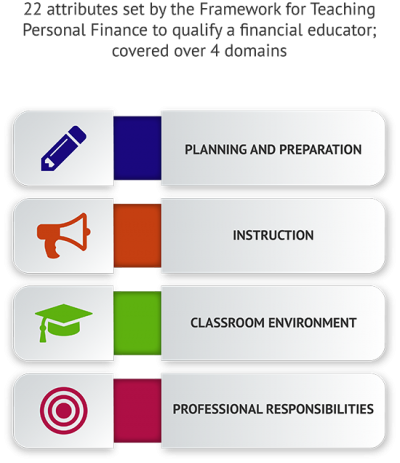
The next step in Olivia’s path toward teaching money management to high school students was finding a qualified educator to present her program. She needed someone who could demonstrate both content knowledge and teaching ability. As a former educator herself, Olivia knew she had the teaching skills, but had no background in financial education and didnt know how to teach money management lessons. She decided to go through the NFEC’s Certified Financial Education Instructor program.
6. Practicality and Ability to Inspire Action are Key Curriculum Features
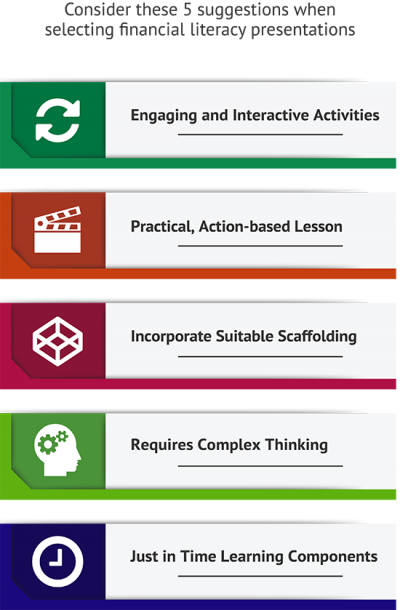
Now Olivia sought a top-notch money management lesson plans for high school students for teaching money management to high school students – one with practical, action-based lessons and a flexible design to meet her time frame. She accomplished this by choosing a package that was modular so she could pick and choose the content she was looking for.
7. Who, What, When, Where, How: Gauging Success Requires Accurate Measurement
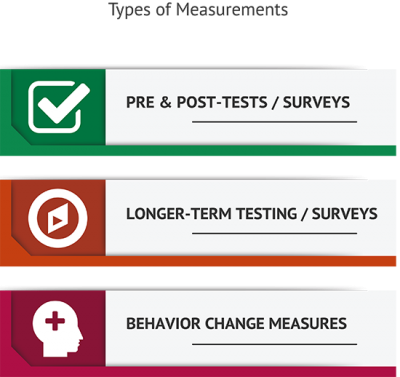
Of the 32 students in the business math class, 30 completed Olivia’s initial presentation for teaching money management to high school students, and 90% of them proved able to solve a basic business problem by the end of class. Olivia summarized these data in a report to prove program impact, which would support her vision to expand the program to include more topics in the future when teaching money management to students.
8. Drill Down Into the Iceberg: Continuing Education and Ongoing Reinforcement
Olivia was aware that one class was just the tip of the iceberg for teaching money management to high school students. The participants would need follow-up to recall what they’d learned and apply it to starting their own business efforts. First, Olivia handed out certificates of completion when class was over; then she gave each student an information packet to take home to their parents. The info packet was designed to involve parents in the financial education process. She hopes to continue to teach teens about money in coming years.