

Identity Theft Protection
60 Minutes
Identity theft is an increasingly prevalent problem that can have negative impact on your credit score and financial situation, and cause you great stress. This topic discusses the various types of identity theft in detail. Key strategies to prevent your identity from being stolen, and to prepare for and deal with identity theft crimes when they occur, are presented.
Overview
Identity theft is an important issue that can negatively affect your credit score, finances, and personal life. Identity theft occurs when a criminal uses another person’s information to take on that person’s identity or to access their accounts.
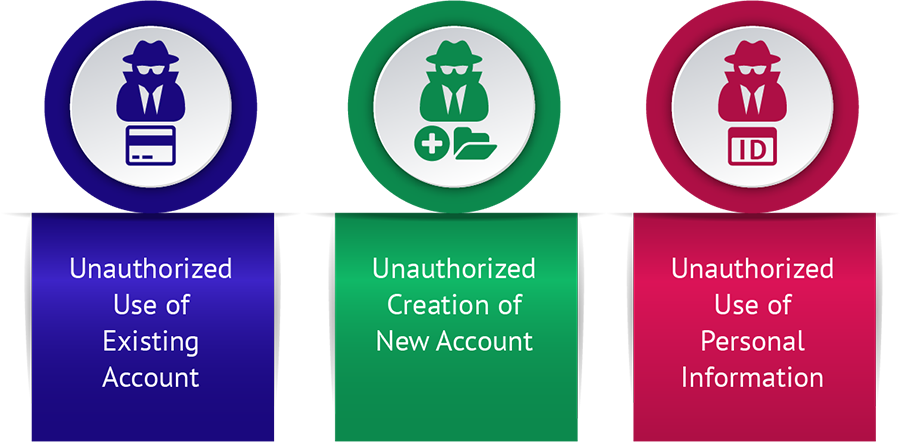
The definition of identity theft covers three general types of incidents:
The first is unauthorized use or attempted use of an existing account. This situation happens when a criminal tries to access accounts that you already have opened.
Next we have unauthorized or attempted use of personal information to open a new account. In this scenario the criminal sets up new accounts in your name.
The last type of identity theft is misuse of personal information for a fraudulent purpose.
Identity Theft Protection
There are various types of identity theft that can hurt your credit, land you in jail, bring you under scrutiny from tax agencies, interfere with your ability to receive medical attention, and hurt your overall personal finances. In most cases these problems can be straightened out. But it will cost you time and money, and probably significantly increase your stress levels.
Identity thieves can get hold of personal information like your Social Security number or account number and use that information to charge up your existing credit lines, open new loans under your name, or steal money directly from your accounts.
Identity thieves use a variety of techniques to steal information. Some of the oldest include searching your trash for personal information, mail theft, and stealing your purse or wallet. Be sure to shred all financial records and do not carry important personal information or account information with you. Opt out of pre-approved credit card offers to protect yourself against mail theft.
More tech-savvy identity thieves will steal your data from an old computer hard drive or phone. Many people store a lot of personal information on their computers and phones – enough that someone could use it to open up new accounts under your name or access your existing accounts. Before you turn in your phone or get rid of your computer, make sure you have removed all of your sensitive information.
Identity thieves can also redirect you to a different website than you believed you were accessing without your knowledge, and attempt to collect your information fraudulently – a technique called “phishing.” Check the URL of any website that asks for personal information to make sure the spelling is accurate and appropriate. Check whether the site has a valid security certificate (indicated by a green bar or padlock icon in most browsers). Also, never click on a link or attachment you receive in an email from someone you don’t know – identity thieves can use this technique to get you to download a virus that can allow them to directly access your computer or to log inputs from your keyboard. Then, if you had typed in your bank’s URL and entered your username and password, the thief would be tracking those keystrokes and could use them to log into your account.
Potential identity thieves may even contact you directly. Get into the habit of being aware and prepared when someone calls or emails you asking for personal information. They may pretend that they represent a company with which you currently do business. Unless you contacted them, make it a habit never to give out personal information by phone or email to anyone who solicits such information from you.
If you are contacted via email or phone call and receive a request for personal information, inform the representative that you will call their department back. Visit the company’s website to get their contact information and contact them back. Do not blindly trust an email or phone representative to provide a correct number if they were the ones who initiated the communication; it may be part of the scam.

Types of Identity Theft
Social Security Identity Theft
This type of theft happens when someone obtains access to your Social Security number and uses it to get a job – which can get you in trouble with the IRS. The income generated by the identity thief will be attributed to you. You would then be liable to pay the taxes owed on this income. Obviously there are many other negative consequences to having your SSN compromised, but tax liability is a consequence which is not commonly considered yet still presents a real threat.
Driver’s License Identity Theft
When an individual’s government-issued identification – including ID card, driver’s license, Military ID, or passport – gets stolen and used fraudulently, it can cause serious problems for the person. Since such identification documents are used primarily to prove that a person is who they say they are, it becomes a versatile tool in the hands of an identity thief.
If you misplace a card or your wallet is stolen, most identification-issuing agencies have a simple checkbox on the form you complete to replace your card that identifies why your identification card(s) needs replacing. However, it is recommended that you also file a police report. The purpose of filing a police report isn’t necessarily to catch the thief. Rather, it creates a paper trail that can assist you in the event that your identity is used fraudulently in the future.

Medical Identity Theft
Thieves can use your name or health insurance identification to see a doctor, get prescriptions, or file health insurance claims. If you receive a medical bill or debt collection call for services you didn’t receive, check with your healthcare insurance company right away.
Children’s Identity Theft
Your children can be targeted in many of the same ways you can. While children may not have identification cards, forged identification information along with the child’s Social Security number could result in the child’s financial identity being in use before he or she is even old enough to apply for an account.
Criminal Identity Theft
This type of fraud occurs when someone who has stolen your identity commits a crime and uses your identity to represent him or herself. Identification cards can have your information, but show the thief’s photograph. In the event that the thief commits (another) crime or traffic violation and a comparison photo is not available to the citing officer, your information could be recorded in the criminal system for a crime or infraction you did not commit.
Financial Identity Theft
Financial identity theft is when someone obtains access to your bank or credit card account or gains the ability to open new accounts in your name.
Banks: Banks have clear-cut guidelines for handling these situations; usually your money will be returned, but some or all funds may be frozen during the investigation. Accessing your bank account can be as simple as knowing your routing number, checking account number, your full name and your bank’s name – all of which are found on the checks you write. Additionally, an image of the front and back of your debit card is enough for a thief to use it to make purchases in some online stores, although most sites also require the correct billing address to be entered.
Credit card fraud: Credit card fraud is one of the main forms of identity theft. As with a debit card, an image of the front and back of your card is all the thief needs to use it at some stores; but again, many stores and websites typically require an accurate zip code or full billing address as well.
One important difference between debit and credit cards is who bears the loss of the theft. As stated, many bank transactions can be reversed in your favor in the event of fraudulent activity. But not always. Because money in your bank account is your money, the risk of loss is present and falls upon you. However, credit cards transact using the lender’s money (with your promise to repay the lender at a later time); therefore, the lender bears the primary risk of loss. They are partly compensated for this risk by the interest rates they charge.
It is nearly always better to transact with a credit card if possible, because the risk of theft is primarily born by your lender. Just be sure to pay off the balance of your credit card each month with the funds from your bank account. It’s not free money; it’s just a more secure way of doing business.
Opening new lines of credit or other debt: Although this scam is more complicated than the others presented above, with the appropriate information thieves can open entirely new accounts or lines of credit under your name. They can get car loans, new credit cards, even mortgages in your name! This theft typically requires nearly all of your personal information to accomplish, but it is possible. A combination of your Social Security number and falsified identification with your information would be enough for many lenders to authorize new accounts.

Identity Theft Prevention
For Credit and ATM or Debit Cards:

Internet Use

Telephone
Credit Freezes
The credit reporting bureaus allow all consumers to place what is called a “credit freeze” or “security freeze” on their credit reports. These freezes restrict access to your credit report. Since most lenders want to see your current credit report before issuing any new accounts, restricting access to your information greatly restricts the ability of thieves to open new accounts.
Credit freezing does not negatively affect your score, nor does it stop you from obtaining your own annual credit report directly from the reporting bureaus. However, a credit freeze does not protect you from all identity theft categories. Existing accounts can still be compromised.
Be mindful, however, that you will need to unfreeze your credit in the event you will be authorizing someone to access your credit, such as when you seek to purchase a new car or apply for a job that conducts a credit background check.
Furthermore, you must request a credit freeze (or unfreeze) with each credit bureau individually.
If you are currently a victim of identity theft or if you do not plan to open any new loans or apply for job positions in the foreseeable future, consider placing a credit freeze on your reports to minimize further risk.



Conclusion
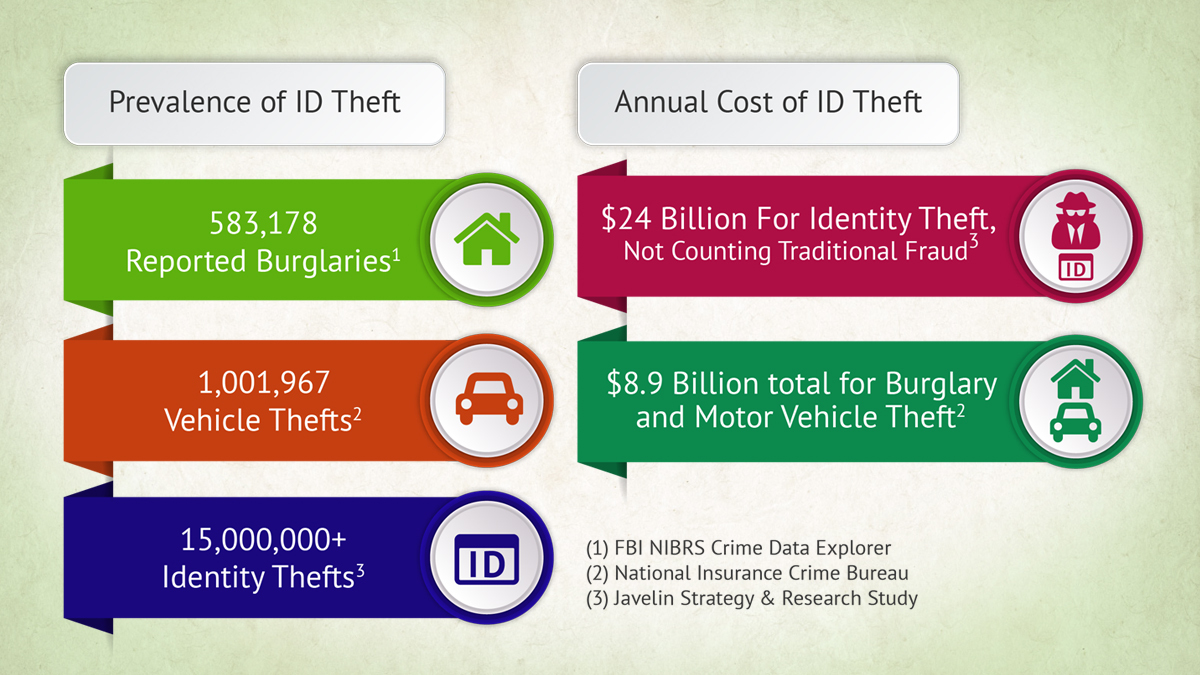
Identity theft is one of the fastest-growing crimes in the digital age. In the case of identity theft, as with any criminal threat, prevention is the best plan of action. Becoming educated and up-to-date on current scams and taking steps to prevent fraudulent use of your identity may help you avoid potentially devastating results, protect your credit, keep your money safe, and stay free of worry and stress.

Activity: Being Prepared for Identity Theft
Being prepared to react if your accounts or information are compromised is the best way to protect yourself from identity theft. This activity guides you to develop a clear plan to protect your identity in the event you recognize suspicious activity.
Follow the suggestions in this document to prepare yourself or your family members to react quickly to potential identity theft.