
Program Execution: Core Elements to Consider Before, During, & After Programming
Once your program foundation has been built, the next step in developing a financial literacy program is preparing to execute and measure program impact.
User experience and program impact measures are the most frequently overlooked elements of financial literacy programming; yet they are the most critical for giving your program a polished look and establishing your credibility. The goals are to create a positive first impression, showcase your professionalism during the actual program, and continue to support participants after the program concludes, while measuring the impact at each step.
This article will help you understand the key elements of creating a positive learner experience and the measures to gather at each stage.
Before the Program Starts
Learner Experience: Before the Program Starts
From first contact through the start of the event, consider all your touchpoints with learners as opportunities to promote the program and engage in pre-education strategies. Listed here are 3 of the most important elements to consider:
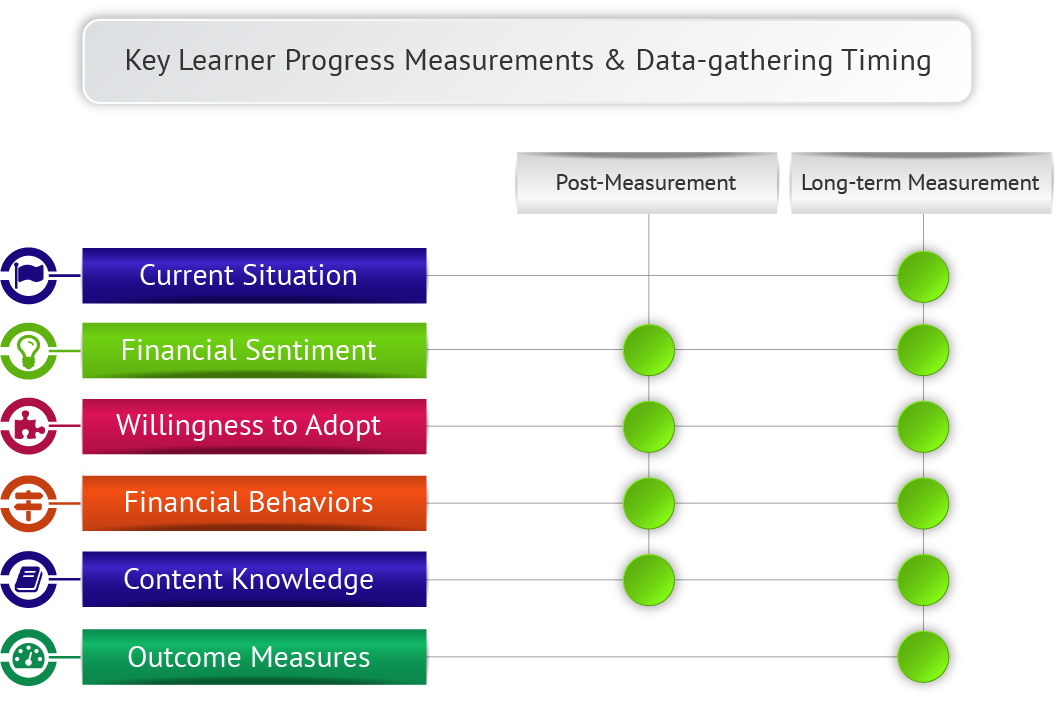
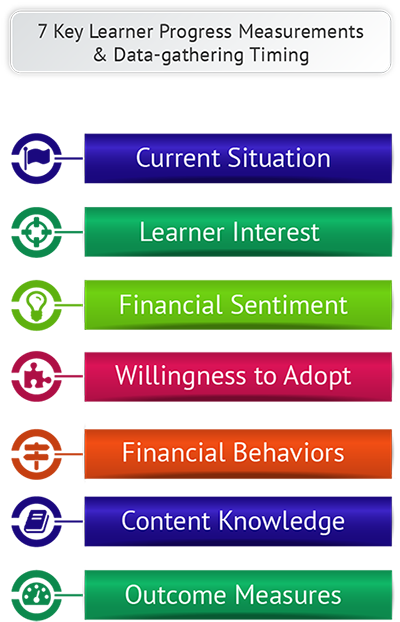
Measurements: Before the Program Starts
In a perfect world, we would always include the measures listed before the first training, so you understand the audience in advance when you teach the first class. However, that is not always possible; so do your best to get the information you need early in the training.
The pre-measurements will help you:
During the Program
Learner Experience: During the Program
Once learners arrive for the training, ensure that they receive a thoughtfully planned experience that highlights your professionalism. Here are 3 essential elements to include:
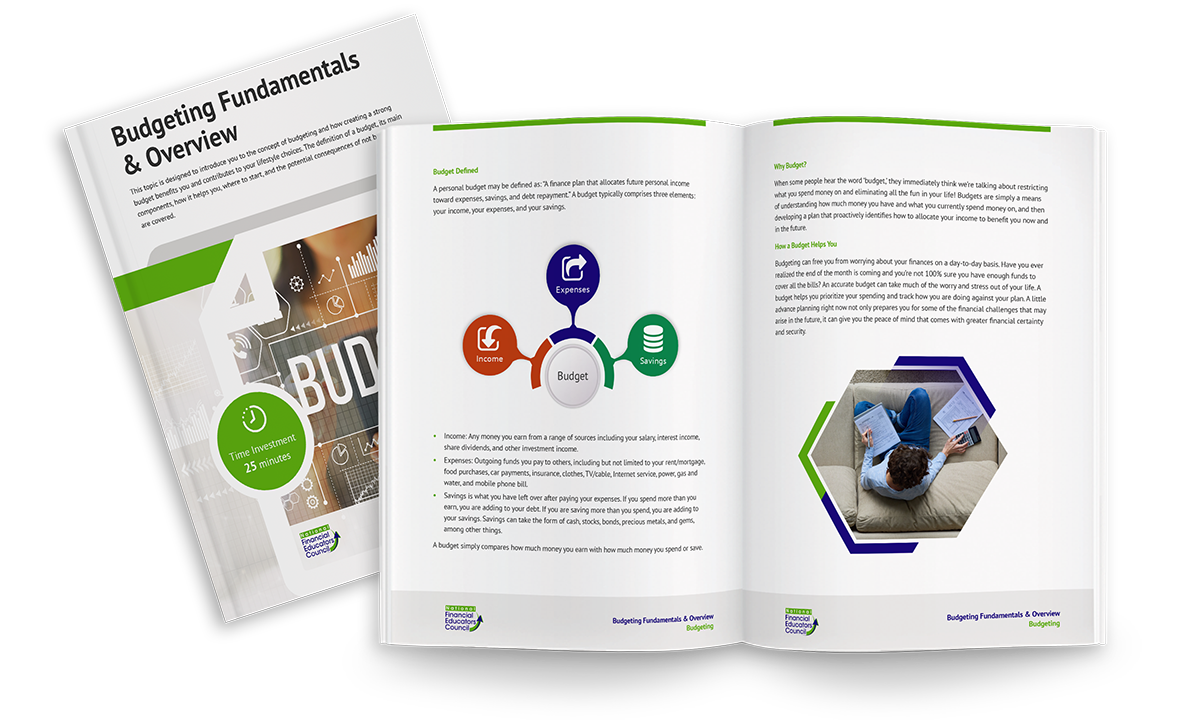
Top-quality Handouts & Materials. Having nice-looking handouts and resources for participants helps create a positive initial impression and will remind them of your professionalism when they run across them after the event.
Train Support Staff. Any support staff working on the program should be trained to understand how to communicate your brand and programming theme. They should know all the important details and be there to support the learners.
On-site or Virtual Experience. For online webinars – have good images and mastery of the platform. For in-person delivery, consider all the senses – banners (visual), handouts (touch), music (hearing), and yes, even make sure the room smells good.

Measurements: During the Program
There are ways to gather data during class that can help you better understand the learners, gain a sense of whether they understand the lessons, and gauge their interest. Gathering the data is easy; however, adjusting your program based on the data is more challenging. Through training and practice, you will learn how to modify your teaching based on the demonstrated results. Listed here are four common methods for gathering data during instruction:
After the Program Training Ends
Learner Experience: After the Program Training Ends
Ensure that your learners feel supported after primary training concludes by recognizing their achievements and providing ongoing training to encourage them to act on what they learned. Here are some options for follow-up support:
Measurements: After the Program Ends
Also have participants complete program evaluation forms before they leave the venue. Those data will guide the lessons you choose and help you improve your delivery and teaching strategies for future iterations.
As part of your ongoing post-program follow-up with students, assess the program’s impact on long-term measures – which might include changes in savings rate, credit score, debt load, or investment contributions. Conduct behavioral surveys to measure how well your participants have incorporated their learning into real-life financial decisions.